Keep Your Renovated Home Safer This Winter
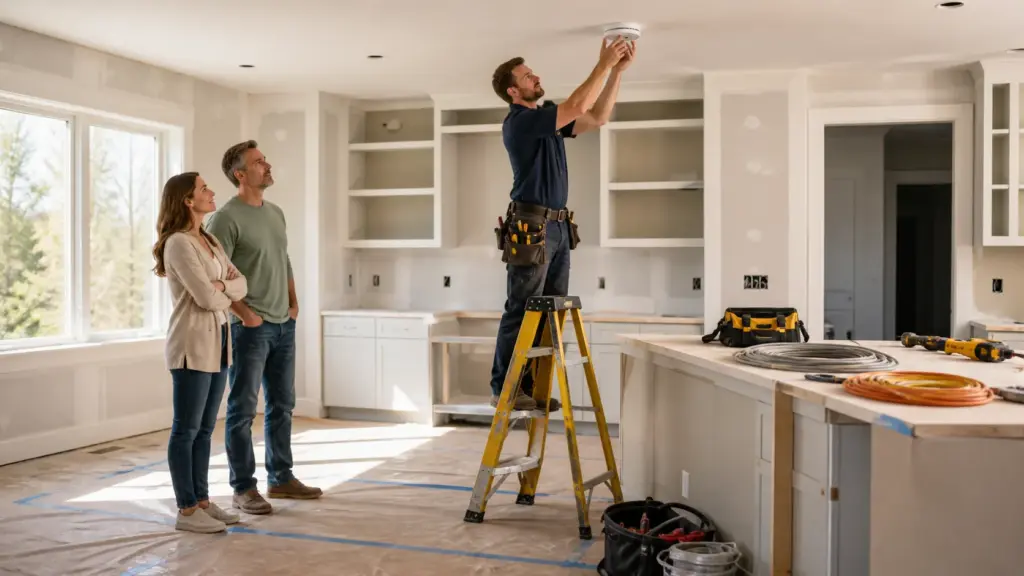
Smoke detector installation belongs in the renovation plan, not on the last-minute list after move-in. November is a sensible time for St. John’s households to review alarms before colder weather, shorter days, and more time indoors make home safety systems even more important.
When we renovate a space, we often see changes that affect how well existing alarms serve the home. Opened walls can expose wiring, a new bedroom may need coverage, and a changed ceiling layout can alter where an alarm can sit safely and remain easy to test. Planning early helps us address these details while the work is still accessible.
Plan Smoke Detector Installation Before Walls Close
The best time to plan smoke detector installation is before drywall, ceiling finishes, and trim are complete. Once the walls are closed, adding or moving a device may require extra openings, repairs, or visible wiring changes that could have been avoided.
During the planning stage, we review the whole home rather than treating the renovated room as an isolated project. Coverage may be needed around sleeping areas, hallways, each level of the home, and newly finished spaces. Final locations should always follow applicable requirements and the alarm manufacturer’s instructions.
A thoughtful layout also considers the other items sharing the ceiling and walls. We coordinate alarm locations around lighting, vents, ceiling features, and room use so the equipment is not blocked or difficult to reach later.
Before finishes go in, we recommend confirming:
- Which rooms and levels need alarm coverage
- Where wiring can be run safely and neatly
- Whether alarms will remain reachable for testing and maintenance
- How lighting, ventilation, and ceiling details affect placement
This early review is especially helpful when you are aiming to finish work before winter weather or a busy holiday season. A clear plan keeps safety work from becoming an afterthought when the renovation is nearly complete.
Match New Alarms to Current Safety Requirements
Renovations are a good opportunity to look at the age and condition of existing alarm devices. An older unit, a device that no longer matches the rest of the system, or an alarm removed during previous work may not be the right fit for the updated home.
Interconnected alarms are worth discussing when the electrical setup and renovation scope allow for them. With connected devices, an alarm activated in one part of the home can alert people elsewhere in the house. That can be particularly useful when bedrooms, basements, or new living areas are separated by floors and closed doors.
As an Electrical contractor St. John’s residents can rely on for residential electrical work, we assess the existing setup before recommending a direction. That review includes the renovation plans, available wiring paths, the condition of current devices, and the requirements that apply to the work.
The goal is not simply to add another alarm. It is to make sure the finished system makes sense for the home you will use every day.
Coordinate Detection Work with Electrical Upgrades
Smoke detection work often fits naturally into larger electrical renovations. If we are already adding circuits, updating lighting, rewiring a room, or completing an Electrical panel replacement, it makes sense to consider alarm wiring and power needs at the same time.
Coordinating work can reduce disruption and help keep the project organized. For example, a homeowner planning new lighting, a finished basement, and an electric vehicle charger may benefit from reviewing all electrical needs before the walls are sealed. An electric vehicle charger installer can work within a broader electrical plan so the home’s upgrades are considered together rather than handled in separate stages.
We generally encourage a shared timeline for electrical changes that may affect the same walls, ceilings, or panel. This gives us a clearer view of what needs to be installed, connected, protected, and tested before finishes are completed.
Licensed electrical work matters because alarm devices, wiring connections, and backup power features need to be installed safely and integrated correctly. A renovation may look finished once the paint is dry, but the electrical work behind the surfaces deserves the same careful attention.
Avoid Mistakes That Limit Alarm Performance
Construction dust, paint, moisture, and temporary disconnections can all affect alarms during a renovation. We often find that a device was covered to protect it during work, then never restored properly once the project wrapped up. In other cases, an alarm is put back in a spot that does not suit the room’s new layout.
Placement should account for everyday life in the updated space. Airflow from ventilation, humidity near bathrooms, cooking activity near kitchens, and access for regular testing can all influence where a device should be located. An alarm that is hard to reach or frequently triggered by normal activity may be ignored, disconnected, or left without proper maintenance.
To help protect the finished system, keep these points in mind:
- Protect devices from paint, drywall dust, and construction debris
- Do not leave alarms disconnected longer than necessary
- Restore all devices promptly when work is complete
- Replace units that were damaged, contaminated, or removed
- Make testing access part of the final room layout
We recommend having a licensed professional review any alarm that has been removed, exposed to heavy construction conditions, or reconnected after electrical work. A quick visual check alone may not confirm that the system is operating as intended.
Test and Document Your Finished Alarm System
Once the renovation is complete, the alarm system needs a final check before the space is occupied. We test each device, confirm interconnected operation where applicable, and review backup power features that are part of the installation. This step helps identify a missed connection, a device that was not restored, or an alarm that does not respond as expected.
Keeping a simple record makes future maintenance easier. Note where each device is located, when it was installed, the date it was last tested, and where its manufacturer instructions are stored. That information is useful when replacing a unit or checking the system during regular home maintenance.
November is also a practical reminder to include alarm testing in your seasonal home-safety routine. Before winter is fully underway, make sure every alarm is in place, accessible, and ready to do its job.
Make Alarm Maintenance Part of Home Safety
A completed renovation is a useful point to establish regular smoke detector installation maintenance habits. Testing devices, checking that they remain accessible, and replacing units according to manufacturer instructions can help the system continue to serve the updated home over time.
By planning coverage early, protecting devices during construction, and documenting the finished layout, homeowners can better understand how their alarm system supports everyday safety. These details help keep smoke detection from being overlooked as the renovated space becomes part of normal daily life.
Support Safer Renovation Decisions
ShockFree Electrical can help ensure your updated space has dependable smoke detection where it is needed. For professional smoke detector installation, our team can assess your renovation plans and complete the work with care. Contact us to discuss your project and arrange service.