Summer renovation season around St. John’s, NL, is when a lot of homeowners get serious about improving their living spaces. Some focus on opening up part of a main floor, while others look at finishing basements or updating kitchens. No matter the project, we often find that once the walls come down, so do the surprises, especially with wiring.
Hidden electrical problems tend to show up during renovations because it’s one of the few times you get full access to what’s behind the drywall. If your home is older, you might not even know there’s a problem until contractors start working. Finding trouble early gives you a better shot at fixing it without dragging the project out or going over budget. Planning ahead with residential electrical services makes a real difference. When the electrical side is handled properly before the renovation moves forward, everything else runs more smoothly.
Common Signs of Wiring Damage in Older Homes
Old wiring can show signs of age well before a full renovation gets underway. The problem is, those signs don’t always feel urgent until your system gets pushed harder. If you notice any of these around your outlets or switches, it might be pointing to larger issues behind the walls:
- Dark marks or heat stains near switches and outlets
- Outlets or faceplates that feel warm, sometimes even mildly hot
- Breakers that trip more often as you bring in tools or lighting
- Flickering lights or a faint buzzing sound that comes and goes
Sometimes it’s easy to brush this stuff off, especially if it’s been happening for years. During renovations, those light-use patterns change. Suddenly there’s more stress on circuits, and any weak points can start failing fast.
What Exposed Wiring Can Reveal During a Renovation
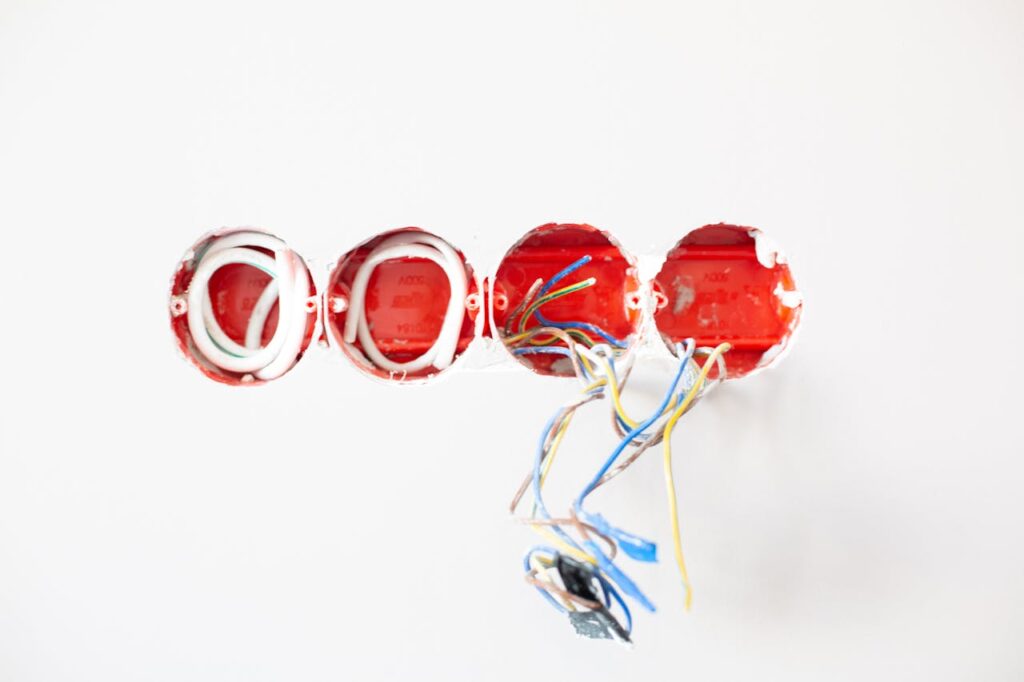
Once the walls open up, things become a lot clearer. We often find wires that have been sitting there for decades, frayed at the edges, cracked near corners, or loosely stapled in spots where they shouldn’t be. Earlier renovations or DIY repairs from past owners might seem fine at first glance but show sloppy connections underneath.
It’s common to come across setups like:
- Wires wrapped in cloth instead of modern plastic insulation
- Aluminum wiring in homes built during a brief period when it was allowed
- Splice points that were twisted by hand and then hidden behind drywall
- Loose wires lying across ceiling joists with no fasteners
All of this can raise safety concerns, not just for the job being done now but for years down the road. When we can actually see the problem, it’s easier, and cheaper, to deal with it right then instead of patching it up and revisiting it later.
When Upgrades Are Worth It During Renovation Work
A common question during any renovation is whether now is the right time to update the electrical system. In many cases, the answer is yes, mainly because of how much simpler it is to make changes when the walls are already open.
- New room layouts or added features may need their own circuits
- Older breaker panels may not support modern load demands
- Changing appliance types, like switching to induction stoves, might need different wiring
- Extra insulation or mounting updates can be added while wires are exposed
With the structure open and everything visible, it can be the perfect time to have someone look ahead. If a homeowner plans to install an electric vehicle charger next year or add a backyard studio, thinking ahead now makes a big difference later. Residential electrical services can help shape a plan that fits both the short term and whatever comes next.
How Seasonal Conditions in St. John’s Affect Wiring
As warmer months set in, outdoor humidity levels in St. John’s can rise fast, especially after winter has passed. That added moisture affects both indoor and outdoor wiring. Materials swell, shrink, or age faster when temperature and moisture shift from one extreme to another. This can loosen older fasteners or expose breakdowns in insulation.
Here are a few things that renovations in warmer months might uncover:
- Wires that have absorbed moisture near the foundation or under flooring
- Insulation that breaks down in attics or crawl spaces after a harsh winter
- Outdoor lines that were damaged by frost, then hidden once snow melted
Spring and early summer are often the first time issues like this become noticeable. The ground thaws, the air gets damp, and whatever looked okay in February suddenly shows signs of wear. Renovations often push power demands higher, and those weak points start showing themselves fast.
Power Surges and What They Can Tell You
During renovations, power tools and multiple light sources may be running at once. If a breaker trips or if a tool shuts off suddenly, it’s easy to assume the tool itself is to blame. Repeated surges or flickers could really be pointing to imbalances or grounding problems in the home’s wiring.
Common red flags that come up in this situation include:
- Frequent tripping of surge protectors plugged into the same circuit
- Fluctuating light strength or pop noises when tools start up
- Mild tingling when touching certain appliances or devices
- Outlets that pass initial tests, then fail during ongoing work
These aren’t just inconvenient, they’re signs that electrical loads might not be handled evenly across the system. Leaving it alone now might lead to much bigger repairs later, especially after drywall or trim goes back up.
Making Renovation Work Pay Off Long-Term
Good renovations improve flow, storage, or comfort, but they can do more than that if wiring is handled right. Taking the time to look behind walls and under floors gives homeowners a snapshot of the home’s electrical health before all the finishes go in. No one wants to get a new kitchen only to rip into it again six months later.
Rewiring when it’s easiest means every part of the system is ready for both heavier loads and future updates. It can save time and money down the line and reduce the stress that comes with surprise fixes. With residential electrical services shaping the layout from the beginning, we help homes stay ready for whatever shape they take next. Even small updates today can prevent large disruptions tomorrow.
At ShockFree Electrical, every wiring and panel inspection during renovations is completed by licensed electricians for total code compliance and attention to safety. We offer whole-home surge protection, panel upgrades, and custom circuit design for precise updates while the walls are open.
Smart Renovation, Safer Home
Planning a renovation in St. John’s, NL, is the ideal time to take a close look at your wiring to avoid future issues. We help homeowners recognize early warning signs so they can make smart electrical updates while the walls are still open. With our experience in residential electrical services, we know exactly what to look for in older homes and how to prepare them for modern living. At ShockFree Electrical, we work alongside you to create a setup that supports your needs today and whatever comes next, so connect with us to schedule a visit before your renovation goes too far.