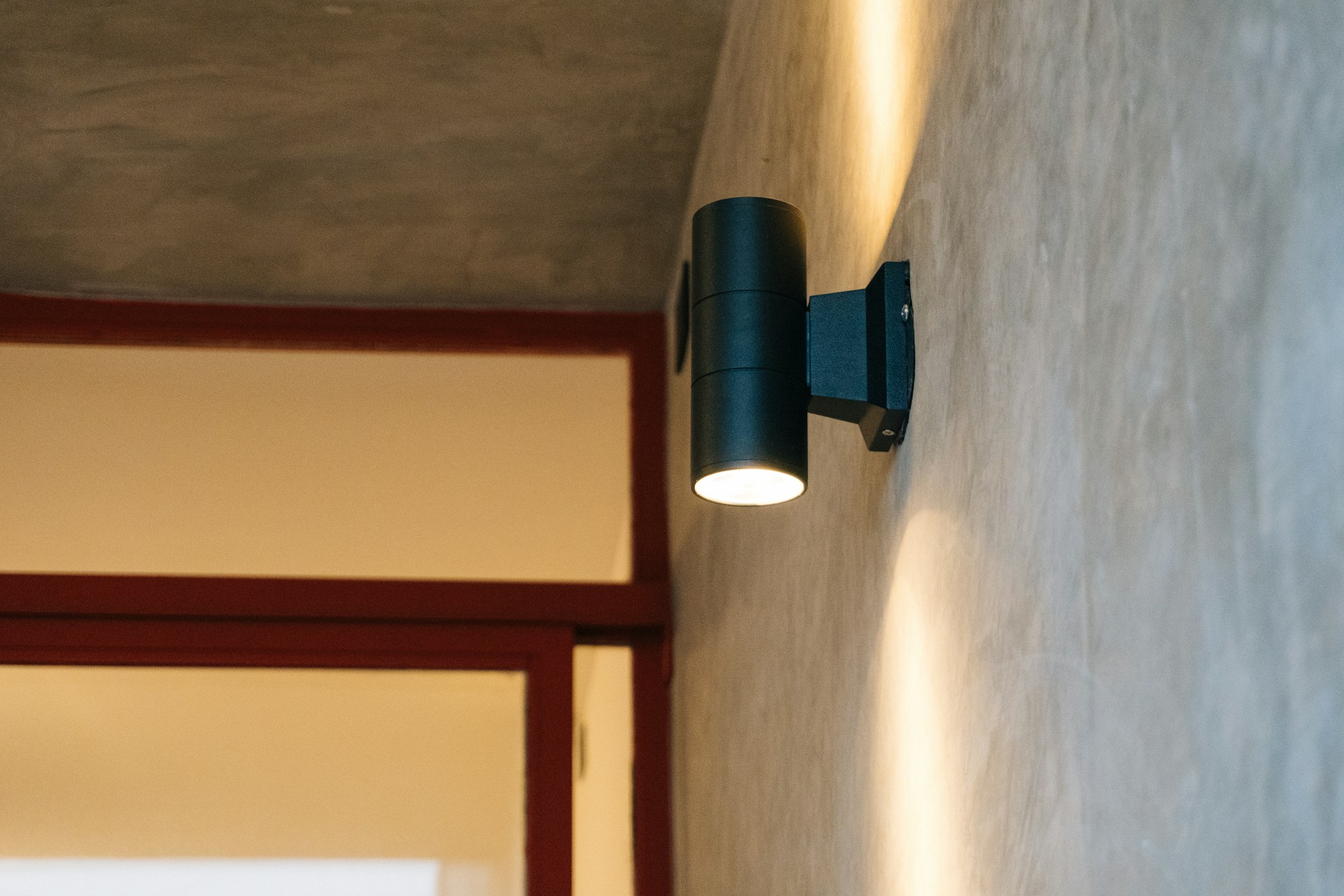
In places like St. John’s, NL, long winters do not just take a toll on driveways and rooftops. They quietly wear down the lighting around and inside our homes too. Snow, salt, freezing rain, and wind can push fixtures past their limit. What looks fine from a distance might be aging faster than expected.
By the time spring rolls around, we start noticing issues, bulbs flickering more than usual, cracked casings, or lights that stopped working altogether. It is usually not one big event that causes the damage, but months of shifting temperatures and hidden wear. That is why now is a good time to take a closer look. Some problems are obvious, others are more subtle. And either way, things like light fixture installation might need a second thought once the worst of the cold is over.
How Cold Temperatures Affect Light Fixtures
The deep freezes we get each winter make outdoor fixtures especially vulnerable. But inside the house is not always safe either.
- When metal parts on fixtures are exposed to cold air for long stretches, they can contract and become brittle. That increases the chances of cracking or warping, especially in older models.
- Small shifts in temperature do not help either. Warmer days followed by another cold snap can push materials back and forth, until seams loosen or hardware starts to fail.
- Indoor fixtures near poorly insulated areas, like attics, garage ceilings, or outer walls, can also freeze up or collect condensation. That moisture buildup leads to hidden damage behind walls or inside light covers that often gets missed until something stops working.
Ice Buildup and Water Exposure
Water does more than freeze. It sneaks into places it is not supposed to be and stays there longer than expected.
- If seals around older outdoor lights have worn down, melting snow and slushy runoff can seep inside. That kind of constant dampness weakens the casing and increases the risk of shorts.
- Icicles hanging from eaves or sloped roofs can be a quiet hazard too. When they grow heavy or melt off suddenly, they can hit fixtures below hard, leaving cracks or warping the housing.
- Even sheltered areas are not safe if water sneaks in. Repeated exposure, especially in early spring when things are thawing out, speeds up corrosion in screws, brackets, and wiring.
Every year, we find fixtures that look intact from the outside but have rusted through inside. It is slow damage, but it adds up fast.
Wind and Storm Damage
Winter winds in St. John’s come strong and often, especially during the last few months when storm patterns spike again.
- Fixtures mounted on garages, sheds, or soffits are held in place by brackets and fasteners that get worked over by repeated wind gusts. What felt solid in November might now wobble under light pressure.
- Strong winds also carry flying debris. Tree branches that land nearby or hit a light head-on can knock it loose or crack lenses.
- Inside the home, leaks caused by shingles pulled up during storms can drip quietly into ceiling lights or wall-mounted fixtures. We have seen lights fail simply because moisture crept in over time without anyone noticing.
Those quiet failures can be easy to ignore, especially if the light works some days but not others. But it is usually a sign the fixture has taken too much over the past season.
Internal Electrical Wear and Safety Risks
When we use lights more through dark winter months, wiring does more work too. That can lead to slower and less visible wear.
- Lights left on through the night or during long stretches of overcast days can overheat if the wiring is already old or strained. That might not trigger alarms, but it weakens circuit stability over time.
- If you hear popping sounds when you flip a toggle or see flickering that does not go away with a new bulb, the issue may be deeper in the wiring or fixture base.
- Breakers that trip more often in one room than others may be pointing to a single overloaded fixture. That is especially true if lights are sharing a line with other appliances.
After a harsh winter, these kinds of wear patterns become more common. Spring is our cue to let the system cool off and see what is not working the way it used to. In many cases, light fixture installation needs to be revisited, especially if setup was originally done many years ago or using basic weatherproofing that no longer holds up.
Our licensed electricians at ShockFree Electrical use only code-compliant, weatherproofed fixtures for outdoor installations to ensure new lights keep performing year-round. We offer replacements for both indoor and outdoor lighting, and all installations are handled with care to avoid disrupting finishes or landscaping.
Time for a Spring Lighting Check?
By the time March hits, damage from winter might not always be dramatic, but it is often there.
- Take a quick walk around your home with an eye for cracked glass, rust marks, and stains that were not there before.
- Check if anything looks waterlogged, or if lights feel loose when you touch them.
- Flickering, buzzing, or discolouration inside covers are all early warning signs that fixtures might be nearing the end of their life.
- Outdoor lights that no longer respond instantly or shift brightness on their own could have hidden moisture or wiring issues.
Even if the lights still work, small signs like these can be helpful clues. Getting ahead of problems before they turn into surprise failures makes it easier to enjoy spring without setbacks. And while winter might be fading, now is one of the best times to make sure your lights are ready for the seasons ahead.
Spring is just around the corner, making it the perfect time to check your home’s lighting for any signs of damage after a harsh winter. Cold, wind, and moisture can wear down fixtures faster than expected, especially in exposed areas or with older lights. We handle repairs and replacements with care, ensuring your fixtures are set up to last in St. John’s, NL. When you’re considering updates or new installations, our light fixture installation service is here to help. Trust ShockFree Electrical to get your lighting ready for the season ahead.