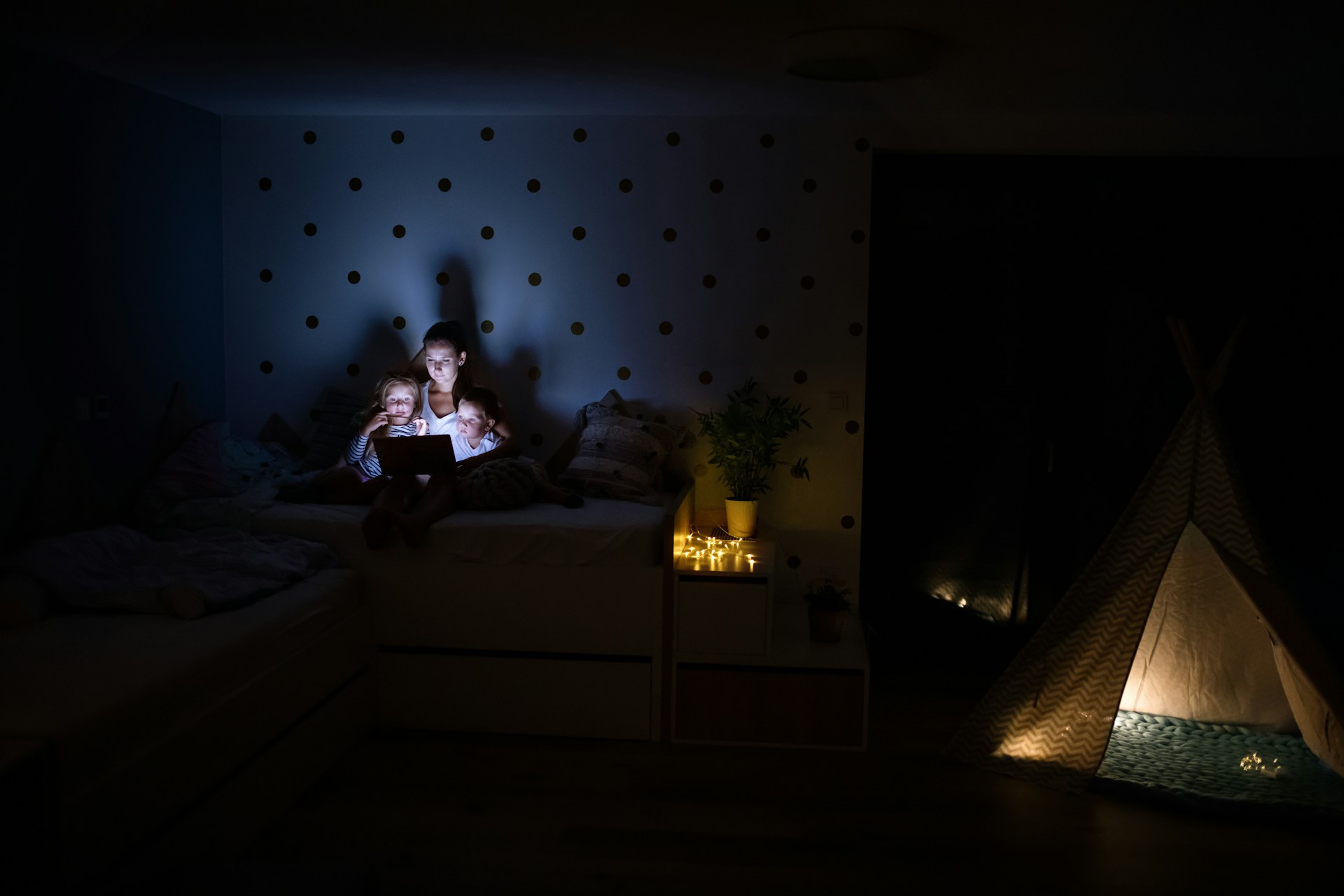
In St. John’s, winter brings more than just freezing temperatures and snowstorms. When the sun goes down early and the winds start howling, late night power problems can really throw off your routine. Whether you’re settling in for the evening or trying to sleep, a sudden blackout can leave you in the dark physically and mentally. The timing alone, happening in the middle of the night, makes it even more stressful, especially when it’s too cold or too dangerous to try and figure things out on your own.
That’s where understanding some of the common causes and knowing what steps to take can make a big difference. During winter, your home’s electrical system works harder than usual. Extra load from heaters, older panels, or weakened infrastructure can lead to unexpected problems. We’ll cover why these issues might be happening, how to deal with them on the spot, and when to reach out to a trusted electrician in St. John’s.
Common Causes of Late Night Power Problems
Power problems at night in the heart of winter can feel inconvenient and unpredictable, but many of them happen for reasons that are easy to recognize.
Heavy snow and ice are huge factors. When ice builds up on power lines or tree branches, it can lead to breakages or shorts. The weight of the snow can bring lines down or put stress on service connections. These kinds of problems are often outside your control, especially when they stretch across your street or neighbourhood.
Heating systems also play a part in late-night outages. Evening hours are when most people turn on their electric heaters. If loads peak across several homes at once, it can trip the system or expose trouble spots in your own wiring.
Older homes in St. John’s may still rely on outdated panels or wiring. Systems designed decades ago weren’t built for today’s power demands. If everything runs at once during a cold snap, that can cause circuits to overload and power to fail with little to no warning.
Some signs that something worse may be developing include:
– Flickering or dimming lights before the outage
– Strange buzzing sounds near your panel or outlets
– Heat cutting out right before lights go off
– Circuit breakers that trip often, especially in the cold
Keeping an eye on these symptoms can prevent bigger electrical problems from cropping up later on.
Immediate Actions to Take During a Power Outage
Staying calm is key when your home suddenly goes dark. You don’t need to fix anything yourself, but taking a few smart steps can keep things safer until professional help is available.
Here’s what to do:
1. Figure out if it’s just your home – Glance outside to see if nearby houses still have power. If your neighbours have lights but you don’t, the issue is likely within your own electrical system.
2. Turn off large appliances – Powering down heaters, stoves, TVs, and computers helps prevent surges when electricity comes back on. It protects your devices and avoids stressing the system.
3. Use flashlights, not candles – It may be tempting to reach for a candle, but it’s not the safest choice at night. A dropped match or an unattended flame can quickly cause a fire. Stick to flashlights or battery-powered lamps.
4. Keep fridge and freezer doors shut – This helps preserve food and keep things cold, especially if you’re unsure how long the power will be out.
5. Check your circuit breakers – Head to your breaker box to see if a switch is misaligned. A tripped breaker will be out of line with the rest. If you feel safe doing so, reset it by switching it fully off and back on. If the breaker trips again, stop there. It’s time to call in a licensed electrician in St. John’s.
Even when it’s freezing and dark, a few simple steps can go a long way in keeping your home safe during a night-time outage.
When to Call an Electrician in St. John’s
Some power hiccups might seem small, but others are signs of something more serious. It’s important to know when to contact a professional electrician in St. John’s, especially when these things happen at night.
If your home is the only one on the street without power, that’s a major clue. This typically points to an internal issue rather than a problem with the grid. Trying to fix it yourself might make things worse or even put your safety at risk.
Other warning signs to look out for include:
– Burning smells near outlets or your panel
– Buzzing noises around electrical fixtures
– Sparks or smoke when flipping a switch
These can be signals of overloaded circuits or loose, overheated wires. Ignoring them could lead to a much more dangerous situation.
Constant breaker trips are another flag. A one-time trip isn’t worrying, but if it keeps happening and won’t reset, there may be a hidden fault in the system. That’s not something you’ll want to guess at, especially late at night when weather conditions are bad.
These issues can show up at any point, so having someone you can call, even outside regular hours, is a big help.
Preventative Measures to Avoid Future Power Issues
Your electrical system takes on a lot during the winter. With the heat running, nights getting longer, and more time spent indoors, even strong systems can run into trouble. Staying ahead of problems can spare you a cold and frustrating night in the dark.
Schedule routine inspections. A qualified electrician can check for worn parts, aging wires, or overloaded systems before trouble starts. Things like rusted connections, old panels, or damaged breakers can be spotted and replaced before they fail.
If you live in a home built more than a few decades ago, upgrading your wiring and panel may be worth exploring. Modern living puts more strain on your system, with electric heaters, vehicles, and all kinds of new devices drawing power.
Here are a few ways to help prevent outages:
– Install whole-home surge protection
– Upgrade outdated breaker panels
– Add a backup generator with auto start
– Replace any outlets that are hot or discoloured
– Trim trees and branches near your service lines
Preventive upgrades and regular checks can save you from stress and repair bills down the road, especially when it’s minus ten outside and your power goes out at midnight.
Peace of Mind When the Lights Go Out
Few things are as frustrating as losing power in the middle of a winter night in St. John’s. Cold temperatures, darkness, and uncertainty can make a simple outage feel like a big emergency. But when you know the red flags, take quick steps during an outage, and keep your system in good shape with help from a qualified electrician, the impact becomes a lot easier to manage.
If you notice signs like flickering lights, odd noises from outlets, or frequent tripping breakers, it may be your home’s way of telling you something needs attention. Cold weather puts your electrical system to the test, especially in older homes already dealing with high demand.
Taking action before and during an outage helps protect your home, your safety, and your peace of mind. Whether you’re getting ahead of problems or dealing with the unexpected, having a plan in place and the right team to call makes all the difference.
When power issues hit during cold winter nights, you don’t have to face them alone. Stay safe and comfortable by reaching out to an experienced electrician in St. John’s. At ShockFree Electrical, we’re ready to help keep your home’s electrical system running smoothly no matter the time or temperature.