Late summer in St. John’s, NL can feel like a turning point. The weather starts to cool down, kids head back to school, and families shift back into routines that keep them closer to home. At the same time, more people are noticing how often they rely on electricity through the day, especially if they’re plugging in newer technology like electric vehicles.
If you drive an EV or plan to buy one soon, installing a home charger is a smart step. But it’s not something you want to rush. A licensed EV charging installer knows how to protect your home’s power system while keeping your charging setup safe and reliable. The key is making sure your panel can handle the new demand before anything gets connected.
Know Your Home’s Electrical Load
Most homes in St. John’s, NL already have lots of power-hungry appliances. Heat pumps, ovens, dryers, and air conditioners all put steady strain on your panel. Add in TVs, laptops, gaming systems, and kitchen gear, and it doesn’t take much to hit your panel’s limit.
An EV charger isn’t just another outlet. It often draws a steady load for hours at a time, especially if you drive daily. Before installing one, we need to check the total load your panel is handling already. That’s how we avoid overloading the system.
This step, called a load calculation, helps us understand how much new demand your system can support without tripping breakers or creating safety risks. Skipping it can lead to major frustration down the line.
Every EV charging project with ShockFree Electrical starts with a panel assessment and a load calculation, so we know exactly how much safe capacity is available. Our licensed electricians perform all upgrades and handle permitting for work completed in St. John’s, NL.
To make this process easier for homeowners, our team takes time to explain what each number means during the assessment. For some, reviewing which appliances use the most power is eye-opening, since newer homes sometimes have dozens of electronics and smart items that add up over the day. Understanding your base load and your peak electricity use helps you get more comfortable with the requirements of safe charging, and ensures no part of your household routine gets interrupted.
Why Breakers Trip in the First Place
A breaker that trips isn’t just annoying. It’s doing its job. When a circuit is asked to handle more power than it’s built for, the breaker flips to avoid overheating or possible damage.
When does this happen? You might see it when someone runs the microwave, dryer, and EV charger all at once. Or when bigger winter items like a space heater are added back into the mix.
Before we install any charger, we check to see if existing breakers are nearing their limits. Flickering lights, warm cover panels, or frequent breaker flips are signs that the system is already straining.
Homeowners sometimes wonder if these interruptions are just a nuisance, but in reality, they’re keeping your home safe. It’s much better for a breaker to trip than for wiring to overheat, which can lead to smoke or worse. All of this underlines the importance of careful planning before adding a major load to the system.
Smart Placement and Circuit Planning
Where a charger goes matters almost as much as how it’s wired. EV charging installers take several factors into account when picking the best spot.
- Shorter distance from the panel usually means more efficient wiring
- A charger near your usual parking spot makes daily use easier
- Less shared use on nearby outlets keeps system stress low
We always install chargers on their own dedicated circuit, not one shared with other devices. This avoids surprises when multiple things are running at once. We also choose wire types and breaker sizes based on how far we’re running the cable and how much current it needs to support.
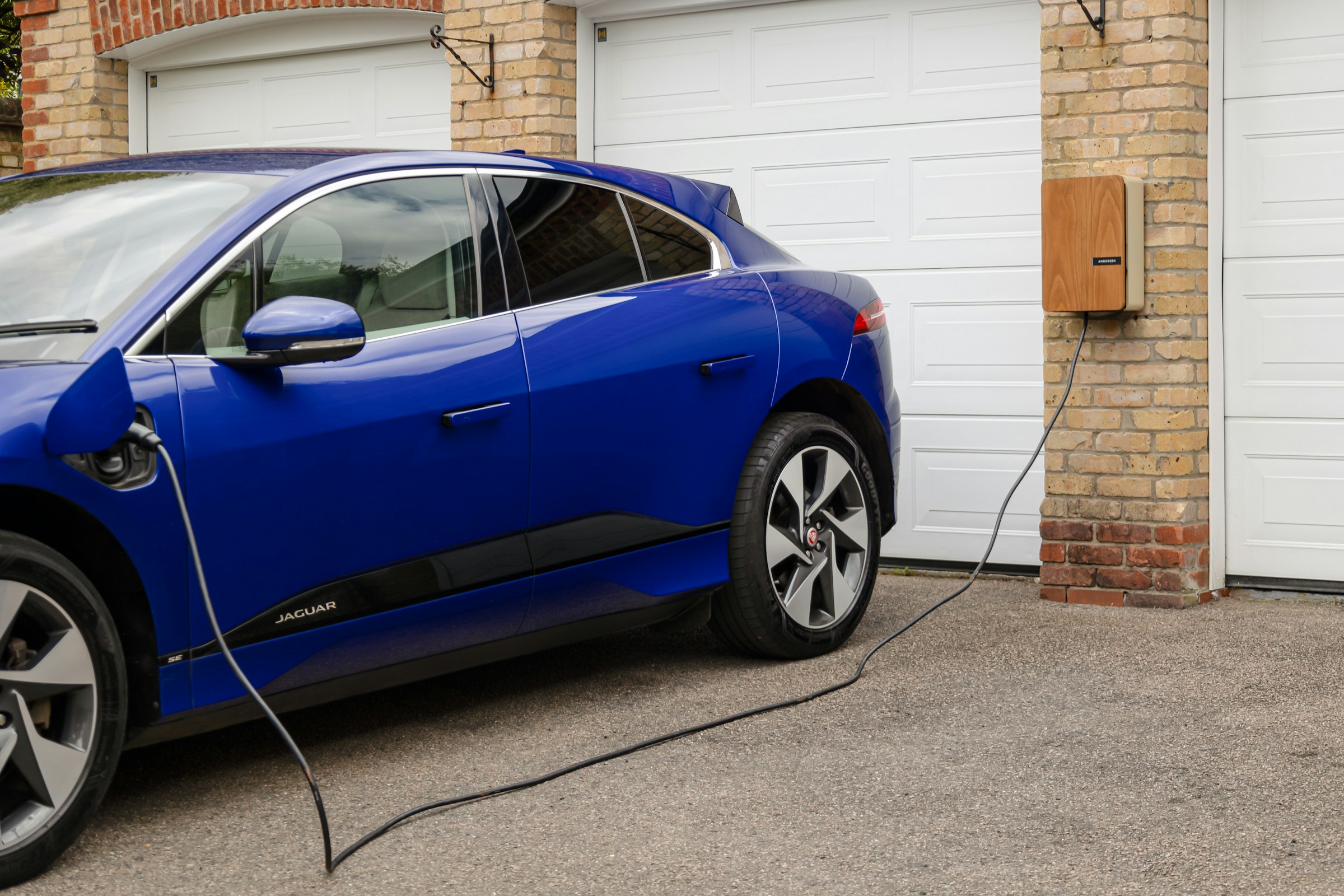
Good placement also means thinking about how you use your garage or driveway, and planning for daily routines or possible changes. For example, locating the charger so that the cable easily reaches your car, without being a tripping hazard or interfering with doors, adds convenience and safety. Well-planned installations look tidy and blend in with the rest of your space.
Load Management Tools that Help
Tech has come a long way, and some chargers now offer flexible settings that help manage usage. Most modern chargers can be set to charge during off-peak times like overnight, when other appliances aren’t competing for power.
There’s also load-sharing equipment that lets a home charger adjust its draw based on what else is pulling electricity at that time. These tools are especially helpful in homes that don’t have large-capacity panels.
If you’re thinking long-term, like adding solar panels later or planning to buy a second EV, then we’ll sometimes recommend upgrades that give you a bit more breathing room. That way, you’re not starting from scratch again in a year or two.
Using these load management options can help balance out your home’s electrical use, taking the pressure off your panel. For busy households, programming a charger to start at midnight or pause when the oven is operating means you don’t have to constantly think about what’s running. Over time, these settings make it possible to enjoy the benefits of EV ownership without changing family routines.
When Upgrades Make the Most Sense
Not every home can support a full-speed Level 2 charger without changes. Some older homes in St. John’s, NL have smaller panels or limited service that worked fine 20 years ago but aren’t built for today’s needs.
If we see signs that your panel is already tight on space or that your wiring isn’t up to current standards, we may suggest upgrading. That could mean replacing the panel or increasing the size of your electrical service from the utility. These changes make the home safer and ready for daily charging without worries.
We don’t recommend upgrades lightly. But when they’re needed, they help set up a foundation that won’t hold you back later.
Upgrading isn’t just about capacity. It’s about making sure that the electrical equipment in your home matches both your current needs and future plans. With the right prep, you don’t have to stress about adding appliances or running new tech down the road, because the foundational work is done.
Keep Your Charger Running Without Interruptions
When things are planned out properly, your charger just works. No breaker flips. No buzzes or burned smells. Just reliable power during the hours you need it.
By getting the right load info, using smart gear, and running dedicated wiring, we make sure your panel can take the added demand without a fight. And in a place like St. John’s, where older homes meet growing tech needs, that kind of planning helps everyone stay safer and more comfortable all year.
Thorough planning keeps your EV charging experience as easy as possible, setting you up to benefit from convenient, silent, and low-hassle electric vehicle ownership at home. In a season when household power demands change and weather grows unpredictable, a well-installed system brings an added sense of reassurance that your charger will be ready exactly when you need it, every time.
Ready to enjoy the convenience of dependable EV charging at home? Our licensed electricians in St. John’s, NL will handle every detail, from assessing your panel load and wiring the circuit to helping you select the ideal spot for your charger. When safety and performance matter most, trust the experts at ShockFree Electrical. As your reliable EV charging installer, we’re here to make installation easy. Contact us today to schedule your service.