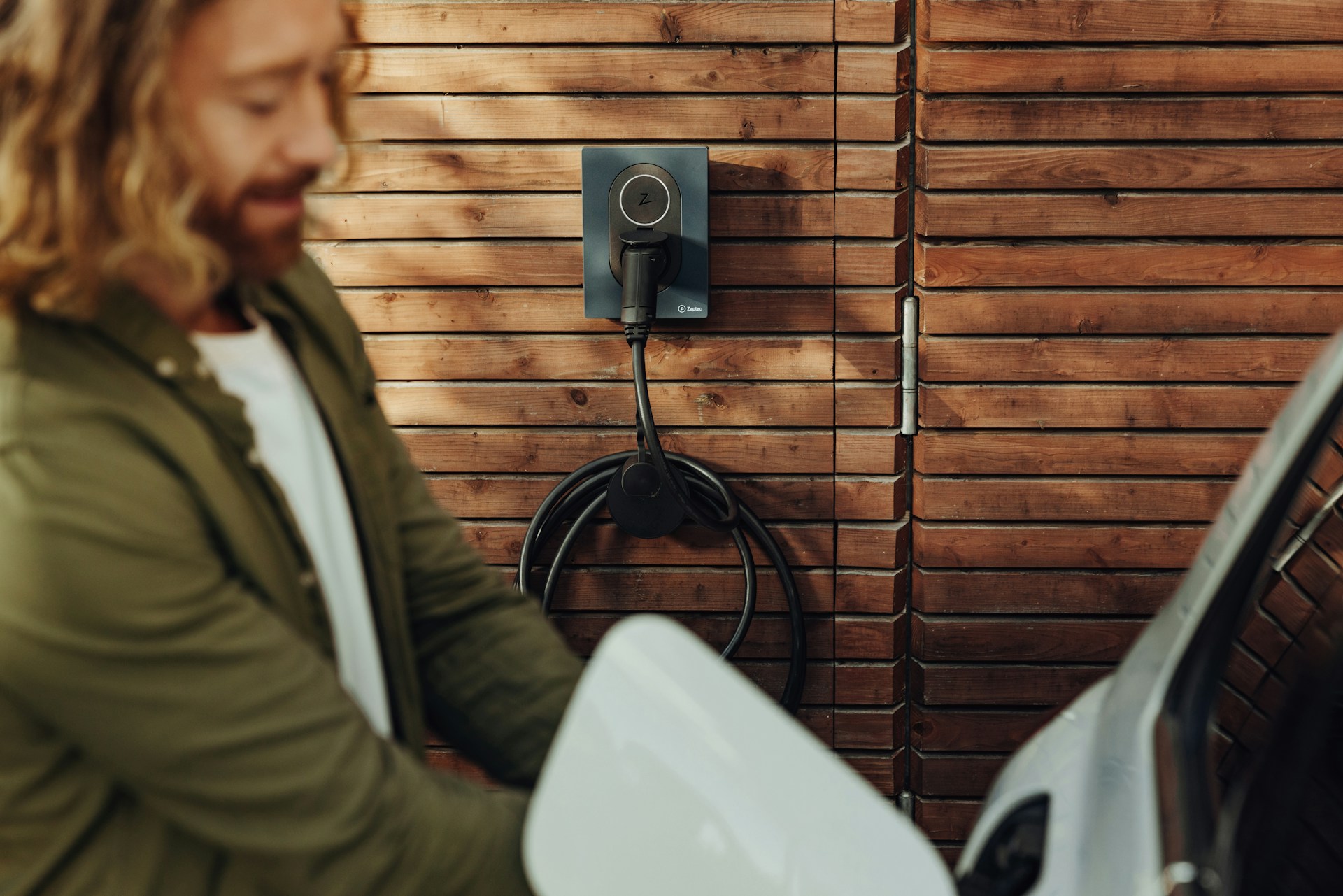
Make Everyday Charging More Convenient
The best place for a home charging unit is not always the closest wall or the first parking spot you notice. A thoughtful location makes it easier to plug in each day, protects the equipment, and can prevent extra electrical work later.
As late summer turns to fall in St. John’s, it is a good time to think about how rain, wind, snow, and ice may affect your setup. Before we install a unit, we look at where you park, how far the unit is from your electrical panel, the available wall space, outdoor exposure, and the electrical demand in your home. Planning these details early helps us create a safer, dependable charging arrangement.
Let Your Parking Routine Guide the Location
Your usual parking position should lead the decision. If you normally park in the garage, a garage wall may be the natural choice. For other properties, a carport, driveway-side wall, or dedicated outdoor parking area can work well when it suits your daily routine.
Cable reach matters just as much as the unit itself. The charging cable should reach your vehicle’s port comfortably without being pulled tight or crossing a walkway, doorway, or garage entrance. A cable in the wrong place can become an obstacle when people are carrying groceries, moving bins, or walking through the area after dark.
When we assess a location, we consider practical details such as:
- Where the vehicle is parked most often
- The side of the vehicle where the charging port is located
- Space needed for garage storage, gates, and outdoor equipment
- Whether another vehicle model may need to charge there later
The right height and wall position also make a real difference. We place the unit where you can access it easily without blocking shelves, doors, snow-clearing tools, or your vehicle. When connecting the cable feels simple, regular charging becomes part of your routine instead of another chore.
Choose a Location That Handles Newfoundland Weather
St. John’s weather can change quickly. Rain, wind, snow, ice, and shifting temperatures all affect how pleasant and safe it is to use an outdoor charging area. A covered garage or carport can provide added protection, but an outdoor unit may still be suitable when it is rated and installed for the location.
Where possible, we look for a sheltered wall or a spot with less direct exposure to runoff and blowing snow. A protected side entrance or a wall that stays clear of roof drainage may offer a better long-term setup than an exposed area at the edge of a driveway.
The space around the unit needs attention, too. We recommend avoiding locations where snowbanks, plowed snow, ice buildup, or roof runoff could block access. You should be able to walk safely between your vehicle and the charging unit without stepping across a slippery path.
As an Electrical contractor St. John’s homeowners trust, we consider the property layout as well as the weather outside it. A convenient placement is only helpful if it remains usable during wet autumn days and icy winter mornings.
Check Panel Capacity Before Choosing the Final Spot
A great parking location may not be the final answer until we review your electrical system. Every charging unit needs a dedicated circuit, and the available capacity in your electrical panel helps determine what installation approach makes sense.
Distance can also affect the work involved. A unit in a detached garage, carport, or far end of a driveway may require a longer electrical route than one placed near the main panel. That does not automatically rule out your preferred location, but it does mean we need to plan the route carefully before confirming the placement.
Older homes, or homes with limited electrical capacity, may need electrical panel replacement before adding a charger. This can help support the new demand while leaving room for the other electrical needs already present in your home. Panel work should be considered at the beginning, not after a location has already been chosen.
Before finalizing the installation, an EV charger installer can assess:
- The panel’s available capacity
- The route from the panel to the charging location
- The need for a dedicated circuit
- Any electrical equipment that may need to stay accessible
- Future household electrical needs
Keep Safety Features Clear and Easy to Access
Safe placement means keeping the cable, charging unit, and nearby electrical equipment out of the way. Driveways, walkways, garage entrances, and side doors should remain clear while your vehicle is charging. We also look for ways to manage the cable so it is not left where someone could trip over it.
Your electrical panel, disconnects, switches, and other equipment need to stay easy to reach. Vehicles, storage bins, shelving, and the charging unit itself should not block these areas. Clear access supports safe maintenance and makes it easier to respond if an electrical issue occurs.
Electrical upgrades can also be a good time to review smoke detector installation throughout the home. While a charger and smoke detectors serve different purposes, both are part of a home electrical plan that should be reviewed with care. We can identify clearance concerns, moisture exposure, cable management needs, and other safety details before installation begins.
Plan Your Charging Location Before Fall Weather Arrives
Early planning gives you time to choose a location that fits the way you park, protects the equipment from harsh weather, and works with your existing electrical system. It also makes it easier to prepare the area before autumn rain and winter conditions make outdoor work less convenient.
A properly placed unit should be easy to reach, clear of common obstacles, and ready for year-round use. With an on-site assessment from an EV charger installer, you can make placement decisions based on your parking habits, panel capacity, cable route, and the weather conditions your property faces.
Get a Charger Setup That Fits Your Home
At ShockFree Electrical, we help homeowners plan safe, practical charging solutions that suit their daily routines. Book an assessment with an EV charger installer to review your electrical system and installation needs. If you have questions or are ready to begin, contact us to arrange a consultation.