Getting a generator installed at your home in St. John’s, NL, can bring peace of mind during storm season, but getting through the paperwork first is something that can catch people off guard. Permits are often one of the most confusing parts. Without them, your setup may not meet safety standards or pass inspection. And in our region where weather is unpredictable, that delay could leave you without backup power when you need it most.
Permits are not just about red tape. They are there to make sure everything is safe, legal, and up to code. When it comes to generator installation in St. Johns, understanding who handles the permits, what they require, and how long it can take makes the whole process smoother for everyone.
Understanding Generator Permits in Newfoundland and Labrador
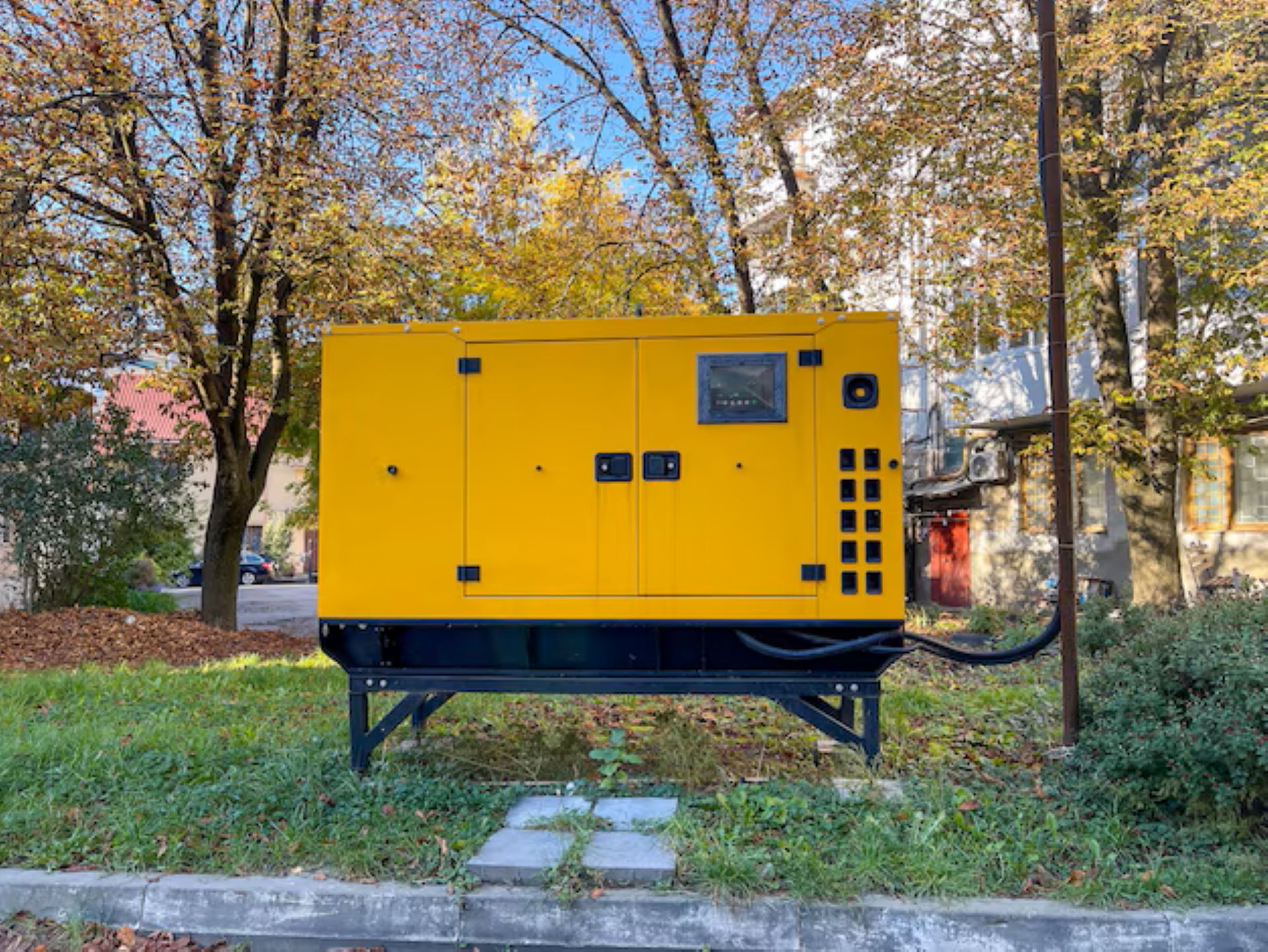
Before a generator goes in, the kind of system you are planning makes a difference. A small portable model may not need a special permit, but a permanent one, like a standby generator with an automatic transfer switch, will. That is where building permits and electrical permits come in, depending on how the unit connects to your home and how large the system is.
The local building department and Newfoundland and Labrador Hydro both play a part. While Hydro oversees how your system connects to the grid, the city ensures codes are followed for location, wiring, and safety clearance. If your system feeds back into the grid or includes fuel like propane or natural gas, you may face more layers of approval.
A few key factors that influence permitting:
- Generator size (larger units often need more inspection)
- Whether it is tied to the home’s electrical system or a completely standalone setup
- Where on the property it will be installed and whether it meets zoning or clearance rules
What might seem like a simple setup can get more complex depending on your circumstances.
Who Actually Clears the Permits?
This is where a licensed electrician comes in. For permanent installations, we are usually the ones handling the paperwork. That means submitting building and electrical permits, reviewing plans to follow specifications, and coordinating with inspectors.
The process usually happens in this order:
1. After you decide on your system, we draw up diagrams for placement and wiring
2. These plans go to the local permit office for review and approval
3. Some permits also need sign-off from the utility company if there is a tie-in to the power grid
4. Once all permits are cleared, the physical work can begin
We often manage the whole process on the homeowner’s behalf, but in some cases, like with portable systems or DIY purchases, the homeowner may be the one filing city paperwork or coordinating inspections. It is something we clarify early, so everyone knows who is responsible for what.
What Homeowners in St. John’s Should Expect
Timelines matter. Once you have decided to install a generator, here is what the permit process typically looks like in St. John’s, NL, during spring:
1. We create drawings and submit them for permits, which can take a few days to a few weeks depending on city workload
2. After approval, work is scheduled around weather and homeowner availability
3. Once the generator is installed, a city inspector may need to visit before final sign-off, which again can take a few days to schedule, especially after heavy snow or during rainy weeks
One common surprise is location rules. Sometimes a property does not have enough clear space for a generator without getting special zoning approval or moving other equipment. Another is noise. Some bylaw restrictions may impact where the generator can go based on its decibel level. These delays are avoidable if you know the rules early on.
Why Timing Matters for Spring Generator Installs
Spring is an ideal time to get permits started, mostly because summer weather can bring its own challenges. Storms, wind events, and higher electrical use all increase in early summer, which is when most people wish they had backup power already in place.
In St. John’s, NL, spring rarely means sunshine every day. Ground may still be frozen in early April. Wet conditions can slow digging or concrete work, and lingering snow may even block access to parts of the yard. That is why tackling project planning early in the season makes a big difference. Paperwork delays are common when city offices get busy from April onward.
If permits are not submitted in time, installation can be pushed back by weeks. And if summer storms pop up and power goes out, you could be stuck without protection during a stretch of unpredictable weather.
Making Power Reliable with Proper Paperwork
Getting a generator up and running safely is not just about picking the right model. It starts with getting the details sorted first. Making sure the right permits are in place helps avoid future code issues and delays tied to failed inspections or zoning surprises.
Every generator installation at ShockFree Electrical is handled by licensed, insured electricians for complete code compliance and safety. We install brands like Generac, Briggs & Stratton, and Kohler, and offer both natural gas and propane standby systems. We always recommend letting a licensed expert manage the process. The paperwork may not be exciting, but it is the piece that sets the entire project up for success. A reliable generator is not just about having backup electricity. It is about knowing from the start that every box was checked the right way. When installations begin with the right steps, the rest usually falls into place.
Planning ahead this spring can help you avoid unnecessary stress when the weather changes. We take care of everything involved with a permanent setup, from permits and inspections to making sure your unit is safely and properly placed. When it is time to secure a reliable backup system, we are committed to making the process simple and worry-free. For professional support with generator installation in St. Johns, contact ShockFree Electrical and let our team help you get started the right way.