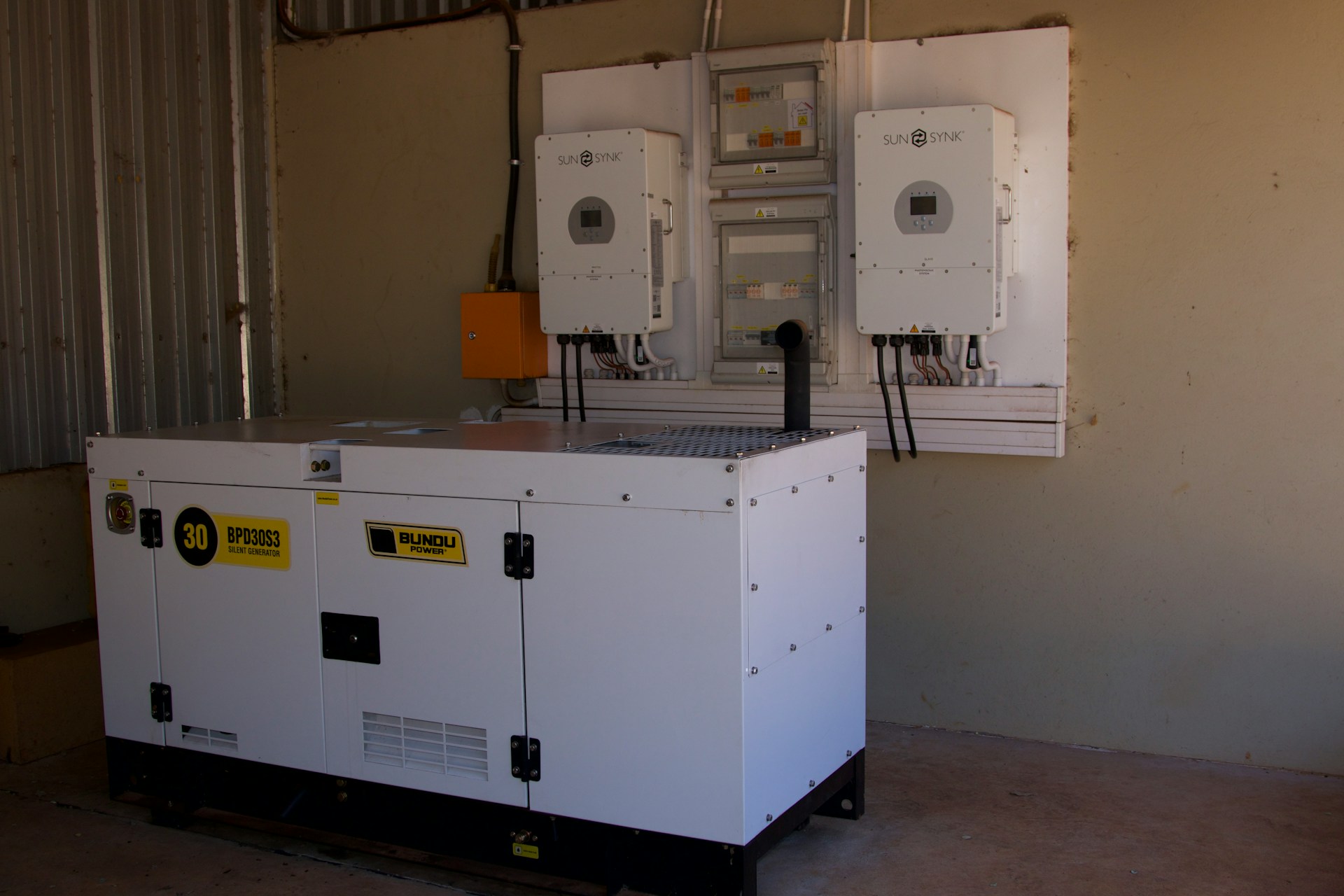
Power outages in Newfoundland and Labrador are never convenient, least of all for businesses that rely on steady operations to serve their customers. Commercial generators step in to keep things running when the grid cuts out, whether it’s during a summer storm or an unexpected failure overnight. But these backup systems do not run themselves. They need attention, just like any other major piece of equipment.
If we do not service our generator on a regular schedule, small issues can grow without our knowing. Fuel settles, filters clog, and starter batteries drain. When the lights go out, that is the last time we want to discover there is a problem. Sticking to a consistent service plan gives us confidence we are ready no matter when an outage hits.
Why Regular Service Matters for Business Generators
Like anything mechanical, generators wear down. Even when they are not used all the time, they age. Seals dry out, sensors fail, and systems can get out of sync if they are not run often enough.
- Catching small repairs early stops them from turning into full breakdowns
- Regular tests help us trust that the generator will fire up when needed
- Fuel systems can develop blockages, gum build-up, or water contamination
- Filters and coolant levels drop low over months of sitting still
Safety becomes another concern when neglected parts cause overheating or sparks. Faulty sensors and controls can create confusion during an emergency. Our goal should always be to avoid surprises.
Seasonal Impacts on Generator Performance in NL
Living and working in Newfoundland and Labrador means facing long, damp winters, lots of coastal wind, and salty air that wears down outdoor systems. Commercial generators placed outside are exposed to all of these factors.
As early summer begins, it is a smart window to book inspections. Salt from winter roads, ice buildup, and freeze-thaw cycles can settle into vents, bolts, and wiring. Humid weather moving in through July and August puts added pressure on any system that has not been cleaned or checked since last year.
- Summer storms bring short outages, often without much warning
- Late spring and early fall are common times for unexpected weather shifts
- Electrical use rises during warmer months as businesses stay open longer
This is the season to catch up with our generator before tourist season or busy weekends make repairs harder to book. When we’re proactive, we avoid the pressure of scrambling for inspections during busy weeks, and instead settle into a reliable rhythm for checking these systems.
Signs It’s Time to Schedule a Generator Service
Sometimes we do not think about the generator until the power actually cuts off. There are ways to get ahead of problems before that happens, and catching these signs early helps prevent unwanted downtime.
- Delayed or failed startups can point to low battery or starter issues
- Flashing fault lights or other error codes often signal skipped maintenance
- Loud clunking or rattling noises may mean a belt or fan is off-track
- Lack of service logs or not knowing the last inspection date is a red flag
- Indicators on control panels can show fuel, oil, or coolant is out of balance
Just like any equipment, the generator speaks to us if we know what to watch for. Besides, a simple walk-around or test run as part of your routine can reveal early symptoms before a small annoyance becomes a major disruption. A few minutes walking through the latest readouts can save us hours later during an outage.
How Often Should Commercial Generators Be Serviced?
Service schedules depend on how often the generator is used and the conditions it has to run in. A standby unit that only kicks in during power loss may not rack up many hours, but it still needs regular checks to make sure it has not lost readiness.
- Monthly: Run a short generator test, check the control panel for faults, and listen for odd noises
- Every 6 months: Change filters and fluids, inspect for moisture in the housing, and clear out any vent obstructions
- Annually: Full service including load testing, battery replacements, transfer switch inspection, and fuel treatment
Generators that see ongoing use during blackouts or after storms should be inspected more often. The more pressure we put on them, the more quickly minor wear can add up. Even if the equipment is idle for long periods, Newfoundland’s wet conditions and frequent seasonal shifts make it smart to perform visual checks and functional tests regularly.
A record of service dates and performed maintenance helps us track what’s been done, which can be useful if questions come up later with landlords, insurers, or inspectors.
What Happens During a Professional Generator Inspection
When a licensed electrician services a generator, they are not just checking off a list. They are trained to spot changes the rest of us could miss. What looks fine to us, like a clean panel or steady hum, could hide early warning signs.
- Test the automatic transfer switch and make sure it is responding correctly
- Inspect battery strength, cables, clamps, and charging gear
- Check fuel stability and inspect tanks for signs of separation or debris
- Clear filters and replace them if they have pulled in too much dust or grit
- Confirm sensors and alarms are working and properly calibrated
- Record service logs and flag parts that may need future replacement
From a business standpoint, having that written service history makes it easier if we ever need to show insurance coverage or handle electrical inspections for the property. It gives us a clearer view of our generator’s health and reminds us when the next inspection is coming up.
At ShockFree Electrical, our commercial generator servicing covers all makes and models, with emergency repair available across St. John’s, NL. We provide thorough load testing, oil and filter changes, and fuel treatment to keep units running optimally throughout every season.
Keeping Your Business Powered Without Interruptions
Unexpected outages already come with plenty of stress. It is one less thing to worry about when we know our generator has been checked and is ready to go. Timing matters. Waiting until something sounds off or a storm is on the radar puts us on the back foot.
Tuning up our generator during early summer is a small task now that helps us through whatever may blow through next. With longer daylight hours and busier days ahead, having steady backup means fewer disruptions and a smoother season for everyone on-site.
At ShockFree Electrical, we know how important it is to keep backup systems dependable and ready for anything. Regular upkeep helps us avoid problems when the weather turns or the seasons shift. If you are unsure when your last inspection was or you have noticed unusual noise or lag during startup, it is probably time to check in on your system. We work with businesses in St. John’s, NL, to keep their commercial generators ready year-round. Give us a call to book a service before the next storm rolls through.