Once the weather starts to warm up in Newfoundland and the roads begin to clear, a lot more people start thinking about electric vehicles. Weekend trips, longer drives, and time spent outside all add to that interest. For more drivers around St. John’s, having a home charging setup just makes sense. But before plugging anything in, it’s worth taking a good look at whether your current electrical panel can actually carry the extra load.
Planning for an EV charging installation at home isn’t just about where the charger goes or which model to pick. A big part of the process is checking that your home can support the demand safely. With summer not too far off, now is a good time to look at a few things that keep your setup from getting overloaded and help everything stay steady when daily charging becomes part of your routine.
What an EV Charger Demands From Your Electrical Panel
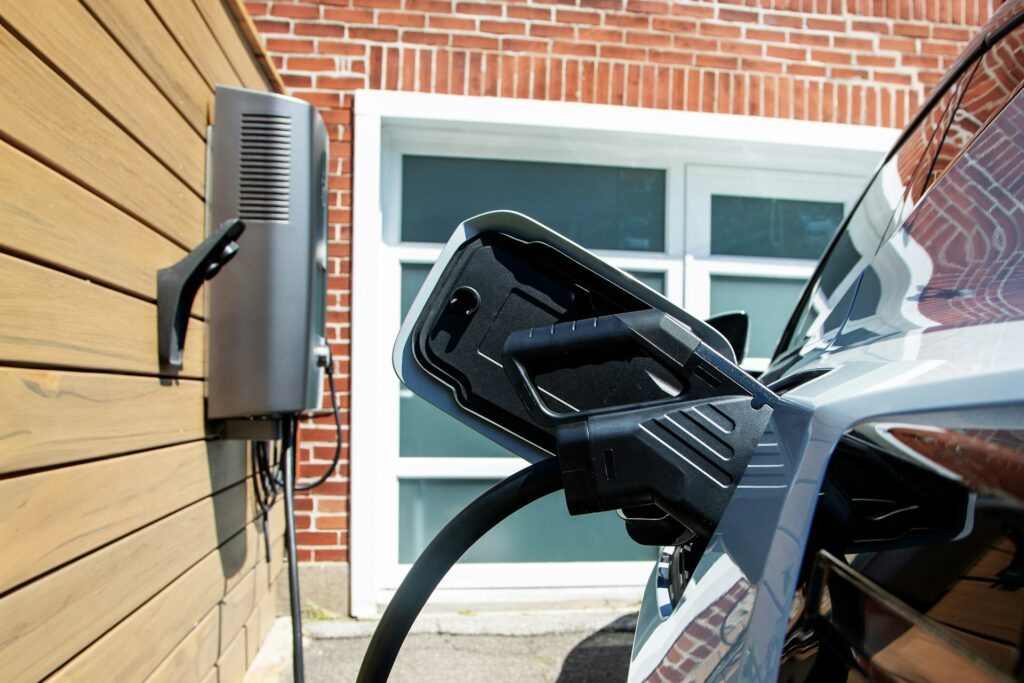
Most Level 2 EV chargers draw a lot of energy, and they do it steadily for hours at a time. That’s a different kind of pull compared to typical appliances, like a microwave or dryer, which cycle on and off.
- EV charging usually needs a dedicated 240-volt outlet and its own circuit
- Many chargers use between 30 and 50 amps, depending on the brand and setup
- Your electrical panel must have open space plus enough capacity to manage this new load
It helps to think of your panel like a schedule. If there’s already something booked into every slot, adding one more thing means something else needs to shift. A charger isn’t going to ask for a break halfway through the job, so your system has to be ready to give it the full amount every time without cutting corners.
How to Tell if Your Panel is Already Pushed Too Hard
It’s not always obvious when an electrical panel is reaching its limit, but there are signs, especially in older homes around St. John’s where upgrades may not have kept up with newer needs. Sometimes, these issues show up slowly.
- Lights dim when large appliances turn on at the same time
- You’re resetting breakers more often than you used to
- Labels inside the panel are missing or hard to read, making it unclear what’s powering what
- You see doubled-up wires on one breaker, which isn’t safe or up to code
In some cases, there’s physically no room left in the panel to add anything new. Even if there are open spots, you still need to know whether there’s enough overall capacity available to support a high-load addition like an EV charger.
Smart Ways to Prepare Before Installation
Getting ready doesn’t always mean starting over. If your panel’s in decent shape and you’ve still got room, some planning early on will make things go smoother.
- A load calculation helps figure out how much electricity your home uses now and what an EV charger will add on top of that
- If you’ve got summer upgrades in mind, air conditioning, patio heaters, or outdoor kitchen gear, it’s smart to plan ahead for those too
- Cleansing your panel of old circuits that aren’t used or reorganizing can help free up space
Homeowners sometimes forget how many things run constantly, especially during warmer months when electrical usage can spike. It’s better to know exactly what’s connected now before adding anything new to the mix.
Alternatives When the Panel Needs More Room
You don’t always have to rip everything out when a panel is full. There are a few ways to work around capacity issues, depending on your setup and how much flexibility you have.
- If there’s no space in the main panel but your wiring is solid, adding a sub-panel can make room for the EV charger without touching other systems
- For older or problem-prone panels, it often makes more sense to upgrade the entire thing for peace of mind and future flexibility
- Some chargers offer load-sharing options, which adjust current usage based on what’s running elsewhere in your home so the main panel doesn’t carry too much at once
We’ve seen homes that didn’t look ready for a charger at first glance, but some thoughtful reshuffling or a small panel addition brought things into place quickly. Avoiding overuse now means fewer issues when summer arrives and electricity use climbs with heat and daily driving.
At ShockFree Electrical, every EV charger installation includes a detailed load calculation and an assessment of your current panel and wiring for total safety and compliance. We install Level 2 chargers from all major brands and provide upgrades or sub-panel installation when required.
Moving Into EV Use with Confidence
Setting up an EV charger doesn’t mean pushing your system past what it can handle. You can add one safely by planning ahead, organizing what’s already in place, and deciding when to upgrade.
A quick look at your panel, paired with a load check, helps us figure out what can be added and where. That way, you won’t be guessing when it comes time to plug in. With spring already here in St. John’s, now is the time to prepare, before the summer road trips, rising heat, and daily use of outdoor gear add more demand to your home’s system. A little work now can keep things running steady through all of it.
Thinking about daily charging at home? We make it easy to get started with a setup that works within your panel’s limits. Planning an EV charging installation in St. John’s means balancing your current electrical system with the new addition. At ShockFree Electrical, we take the time to assess your home’s layout to ensure everything fits perfectly before installation. Let us know when you’re ready and we’ll make sure your new charger is set up properly. Call us today to schedule a time that fits your needs.