Power loss in a commercial building can throw everything off. It slows down work, cuts out lighting, impacts equipment, and can even lead to safety concerns if it touches exit signs, alarms, or emergency systems. Spring in St. John’s, NL tends to bring a mix of freeze-thaw days, wet weather, and leftover winter wear. All of that can affect electrical systems and catch people off guard if the damage has been slowly building.
That’s where commercial electricians step in. We’re trained to look for the signs others might miss and trace the issue back to its source. If power cuts out without clear warning, our job is to get there quickly, look through the possibilities, and find the real cause. This time of year, it helps to know the usual suspects and what to check before systems go from slow to stopped.
Common Springtime Causes of Power Loss in Commercial Buildings
Spring weather in Newfoundland can be rough on electrical setups. Even though temperatures are milder than winter, moisture and residual wear can create all kinds of trouble if you’re not looking for it. These are some of the issues we run into most this time of year:
- Leaks after a thaw: When snowbanks melt or heavy rainfall hits a roof that hasn’t had time to drain, water often finds its way toward electrical gear. Outdoor panels, rooftop HVAC systems, or basement service units can be at risk depending on the building design.
- Wet signage or lighting: Outdoor lighting fixtures and commercial signage are often the first parts of a system to suffer in spring. If wiring is exposed or housings are cracked after months of wind and ice, moisture can cause short circuits or full outages.
- Winter wear catching up: Commercial wiring carries more load than residential setups, and older parts may already be strained. After months of heaters, lights, and equipment working overtime, certain systems simply can’t keep up into the spring season.
Spotting these types of problems early can prevent a full outage later. But if the power does cut out, it helps to know what steps to take right away.
First Things to Check When the Power Goes Out
When a building goes dark, knowing where to start can shave off a lot of stress. We always begin with a basic assessment, and there are a few steps any facility manager or staff member can try while waiting for backup.
- Is it the whole place or just one section? If part of the building still works, the outage might be tied to a sub panel or isolated circuit rather than the main feed.
- Take a look at breakers and emergency panels. Sometimes a single tripped breaker will knock out lighting or part of a room. Emergency exit lights and alarm systems should be checked too, just to make sure safety remains a priority.
- Outdoor gear might be involved. If cable or junction boxes sit underground or on the exterior of a building, spring moisture or ice swelling might have damaged them. It’s not always visible damage either. Wire movement underground can slowly shift connections without being obvious.
These checks don’t repair the situation, but they help narrow things down. They also give us a better idea of where to look once we arrive.
How Commercial Electricians Pinpoint Electrical Problems
Once we’re on site, the goal is to work quickly and safely to find the cause. Commercial systems can be layered, so we pull from experience and follow a plan to track the issue.
- We always start with load testing and basic circuit checks in the affected area. That helps rule out easy resets from deeper problems.
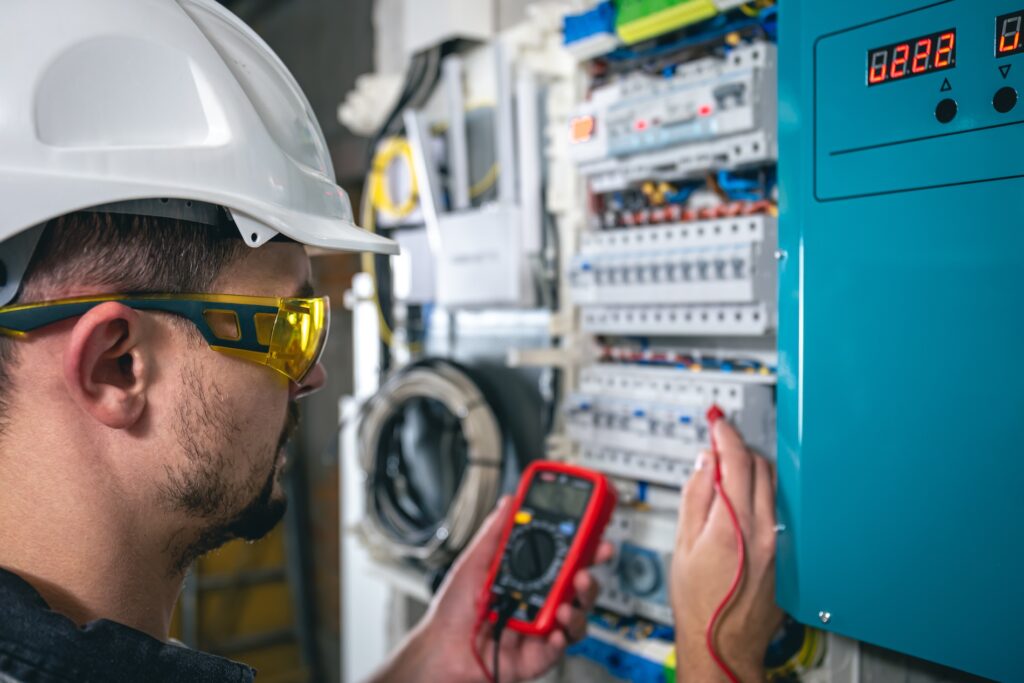
- In many cases, faults are due to cracked insulation or damaged connections hidden behind walls or above ceilings. We use specialty devices to spot where current drops or heat builds unexpectedly inside key areas.
- Spring is also when systems are being switched over or adjusted. Office rearrangements, new machines, or seasonal shifts in use can overload a circuit that handled less last month. We check power demands against available circuit capacity to find uneven loads.
ShockFree Electrical offers thermal imaging inspections for commercial panels and breaker boxes to pinpoint trouble spots before a failure occurs. All diagnostic work and repairs are performed by licensed, insured electricians familiar with local building and fire safety codes.
All of this gets logged, tested, and addressed in a way that avoids reoccurring outages. But there are situations when the building gives signs it’s time to call before a full loss happens.
When to Call and What to Expect from an Electrician
Power doesn’t always disappear all at once. In fact, a lot of issues start with flickering, machine resets, or plugs that stop holding charge. These are all warning signs.
- If lights are dimming regularly or equipment resets by itself, something inside the load line might be uneven or buried damage could be present.
- If you reset a breaker or two and the issue comes back quickly, that’s a sign the system is dealing with more than it can safely carry.
- If anything smells burned or feels warm around outlets or panels, stop use and call us right away. Heat is a strong clue that the problem isn’t something a flip can fix.
When we arrive, we bring diagnostic tools to test energy flow and pinpoint drops to a very exact spot. From there, we build out a repair plan that keeps your schedule and safety in mind. We usually plan repairs to avoid high-use hours, or where possible, break them into smaller parts so everything doesn’t need to shut down for long.
Getting Back to Business with Confidence
Not all outages come with a big flash or warning. A lot of them start small before building up into a failure. Things like weather, clogged drains, older equipment, or extra load in spring months can all add stress to a system that was working fine two weeks ago.
That’s why staying alert to change matters. When we help track down the cause of power loss, it’s usually something that’s been getting worse over time. Spotting small signs, running regular checks, and calling when something feels off helps you stay ahead of bigger fixes later. Spring is one of the best times to make sure you’re on top of it, especially in a place like St. John’s, NL where the seasons don’t always change gently. Commercial electricians are here to help keep your building safe, stable, and ready for what comes next.
Power issues in your St. John’s, NL building can develop quietly over time, especially when equipment demands increase or the seasons are rough. Our licensed electricians at ShockFree Electrical go beyond emergency repairs to help you identify wear and recommend safe, practical upgrades. When your space needs new circuits, replacements, or a full electrical system upgrade, our experience with commercial electricians makes planning your next step simple. Call us today to ensure your electrical systems are ready for the busy season ahead.