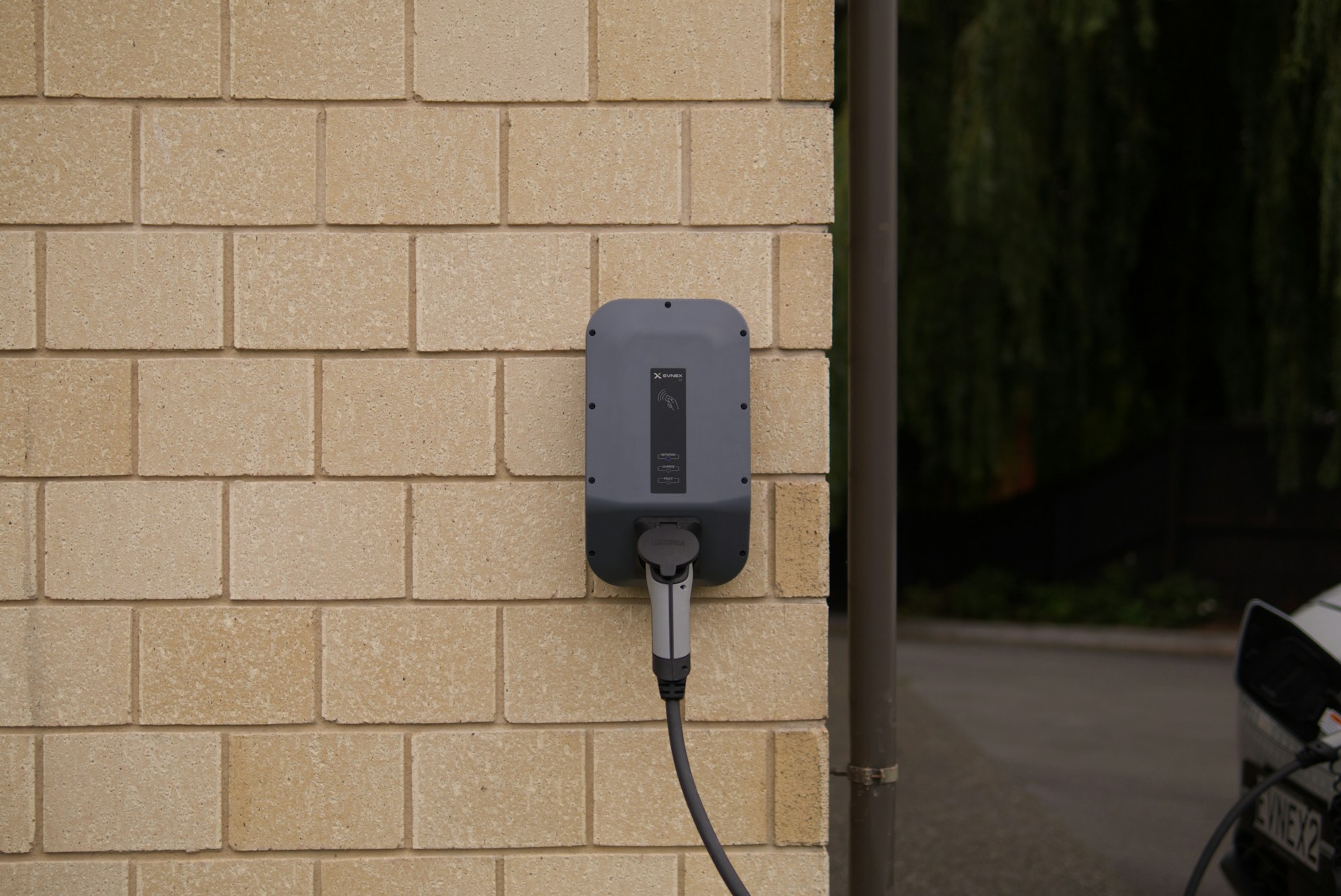
Over the past few years, more drivers in St. John’s, NL, have been making the switch to electric vehicles. It’s easy to see why. But driving electric is only part of the change. If you’re a homeowner, you’re likely starting to wonder if your house is ready for that next step. EVs need a home charger, and that means the right setup on your end to support it.
EV charger installation in St. Johns depends on more than driveway space. Your electrical panel, your wiring, and even how your garage is laid out can affect what’s possible. If you’re planning for a cleaner, easier way to charge at home, it helps to know what might need upgrades, what usually works, and where the roadblocks might show up. Let’s take a closer look.
Do You Have the Right Electrical Panel?
Not all electrical panels are made to handle the extra load of an EV charger. That’s one of the first things we look at. Some homes have more than enough capacity, while others might be at their limit without anyone realizing.
- Most EV chargers for home use fall into the Level 2 category, which needs a dedicated circuit and higher amperage.
- If your current panel is full or nearing capacity, you may need an upgrade or sub-panel.
- Look for signs like frequent breaker trips, older fuse boxes, or a panel that hasn’t been touched in decades.
A licensed electrician will measure available space, amperage, and whether the panel can support a charger safely. At ShockFree Electrical, we can upgrade your panel if required and install CSA-approved equipment for compatibility with every major EV model.
Garage or Driveway Access: Is There a Good Spot for Charging?
Where you park plays a bigger role than most homeowners think. You’ll need a place to plug in that’s both close and protected. A good layout can make installation simple, but tight or unusual spots might take more planning.
- Level 2 chargers often connect best near a garage wall or just outside the home where parking happens daily.
- If your garage is unheated or unfinished, insulation and safe routing might be needed to protect cables and parts.
- Shared driveways, detached garages far from the house, or tight alley access points can change how long the job takes or what equipment will fit.
It’s not about having the perfect setup, just about knowing how to make what you have work for an EV lifestyle.
How Old Is Your Wiring and Electrical Setup?
Don’t forget to think about what’s behind the walls. In older parts of St. John’s, some homes still run wiring that was not built for electric vehicles.
- If your home was built before the early 1990s, there’s a fair chance your wiring needs updates to handle modern electrical loads safely.
- Frayed insulation, aluminum wiring, and outdated connections can all cause problems under the added stress of a charger.
- Before installation starts, electricians check grounding, breaker conditions, wire types, and overall system integrity.
We always ensure your wiring is up to Canadian Electrical Code standards and provide grounding upgrades if your system requires it. If everything is running well now, that’s a good sign. But a deeper check helps make sure nothing hidden could cause future issues.
Local Codes and Permits: What You Need to Know
Every new electrical project in Newfoundland and Labrador has rules to follow. EV chargers are a high-load installation, which means permits are often part of the process. This helps make sure everything’s safe, legal, and inspected when finished.
- Specific local codes might affect how far the charger sits from certain obstructions, what the conduit looks like, or how power is accessed.
- Permits are usually required so an inspector can check that the work meets provincial safety standards after installation.
- Skipping this step can hold up approvals, cause insurance problems, or make it harder to sell the home later.
Hiring a licensed electrician makes this part easier. They know what to file, where to file it, and how to keep everything on track from start to finish.
Planning for Future Home Upgrades
An EV charger is just one part of the bigger picture. A lot of homeowners start thinking about other electric upgrades around the same time. From heat pumps to electric fireplaces, these updates use more power too.
- If you’re planning to switch heating or hot water systems soon, it makes sense to wire for all of it at once.
- Updating your panel now can save reopening walls or having to redo installations in a few years.
- Many homeowners use EV charger installation as a starting point, working toward a more energy-efficient setup across the home.
A little planning now makes it easier for your house to adapt to your lifestyle and needs in the future.
Making the Switch Work for You
Every home has its own setup, quirks, and limits, and not all are ready right away. But with the right planning and upgrades, most homes can get there.
Knowing what we need to check now helps prevent surprises when your car arrives. A quick walkthrough of the panel, wiring, and parking layout sets you up to charge with confidence. Whether you’re still considering buying an electric vehicle or it’s already in your driveway, having the home side figured out makes owning one a lot easier.
Thinking about adding a home EV charger in St. John’s? Our team at ShockFree Electrical checks that your setup is safe and ready for daily charging, whether your electrical panel needs an upgrade or your wiring should be reviewed. We’ve helped many local homeowners plan smart electrical updates for reliable, future-ready charging. For expert guidance and to find out exactly what’s needed for an EV charger installation in St. Johns, reach out to us today.