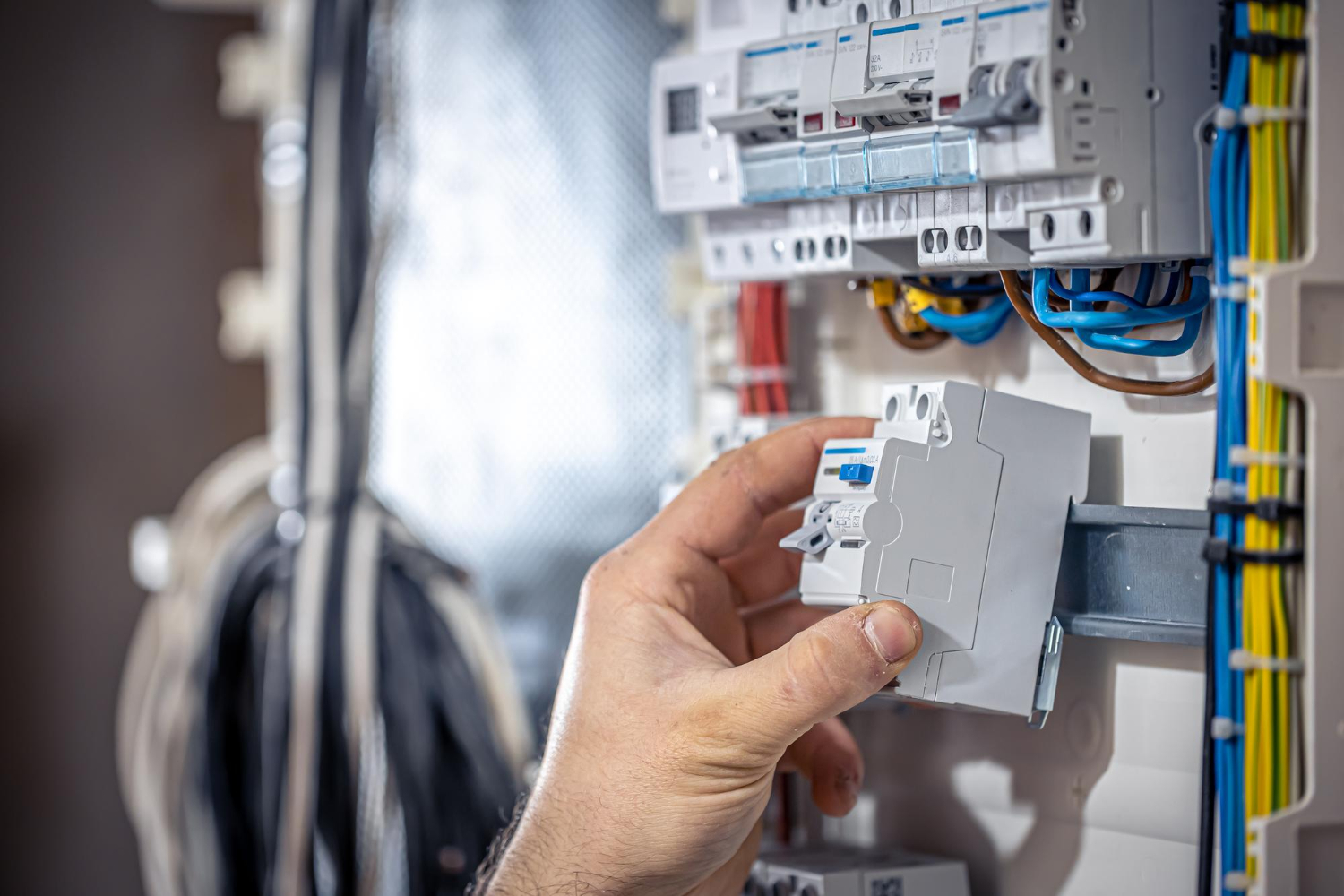
An electrical panel is what keeps all the power in a home working the way it should. It sends electricity through each circuit to run lights, appliances, and heating. When it’s working right, most people don’t even think about it. But when the panel starts to wear out or struggle, it can affect comfort and even safety, especially during colder months when homes rely on extra heat and added electronics.
We usually see more questions about electrical panel replacement in late winter, when signs of strain become harder to ignore. We’ll walk through why replacements happen, what prep work comes first, and how the whole installation process plays out. If you’re wondering what to expect, here’s a clear picture of how it usually goes.
Why Panels Get Replaced
Panels get replaced for a few common reasons. Over time, parts can wear out, and materials may no longer meet current safety codes. Another common issue is simply not having enough power available for what a home now needs.
• Homes built decades ago weren’t designed for large fridges, charging stations, heat pumps, or home offices
• You might notice flickering lights, warm panel covers, or breakers that trip when multiple devices run at once
• In some cases, there’s a light burning smell around the panel or black marks near breakers
• Adding more rooms or upgrading major appliances can also put too much strain on the old setup
Late winter often brings these problems to a head. Added draw from space heaters, electric blankets, humidifiers, or dehumidifiers can reveal issues that weren’t noticeable earlier in the year. These seasonal stress points often make electrical panel replacement feel more urgent, and it usually is.
As homes change over time, electrical needs change as well. Many people start to notice these signs during the winter when more devices are plugged in than usual. When your panel cannot keep up, it usually becomes clear through little signs that can add up quickly. That’s why spring can be a common time for families to consider an upgrade. Planning ahead of the busiest seasons makes the process less disruptive.
What Happens Before the Work Starts
Before any work begins, we take the time to assess the current setup and ask about how you use your home. This helps us figure out what kind of upgrade makes the most sense and prevents future problems from cropping up.
We usually begin with:
• Checking the current panel to understand condition, size, and capacity
• Looking at the service entrance to see how power comes into the home
• Talking through high-use areas like kitchens, home offices, and laundry rooms
• Asking about any future upgrades like hot tubs, charging stations, or heated floors
During the evaluation, it’s also a chance to discuss plans you might have, such as adding a home office or buying new appliances. It’s helpful to share these ideas up front, so the upgrade is the right size for your needs.
We also walk through safety steps. That includes shutting off the main power supply and letting everyone in the home know when work will start. This keeps things predictable and safe once installation gets going.
Another thing to consider before the day of installation is what to do while the power is off. Since the process can take most of a day, it’s good to plan for device charging, meal preparation, and home comfort. Make arrangements as needed so you are not left in a tricky spot. If you have kids or pets, setting expectations can make everyone more comfortable throughout the work.
The Replacement Process Step by Step
With prep work out of the way, we move into the main job. Removing and replacing an electrical panel is detailed work, but having a clear plan helps it go smoothly.
The steps usually look like this:
1. Power is turned off from the main utility hookup
2. The old panel is removed carefully to expose wiring
3. The new panel is mounted in place, following spacing and code rules for your area
4. Existing circuits are reconnected, and new breakers are added if needed
5. Each breaker is labelled clearly to match the room or device it controls
6. We test and double-check everything before restoring power
Some homes have unique layout challenges, such as finished basements or utility rooms with little space. In those cases, extra care is taken to avoid unnecessary mess. We make sure to use protective covers and keep the work area as clean as possible.
The process involves several checks along the way. As each wire is reattached, we inspect for fraying, corrosion, or other damage before moving on to the next. If a problem is found, it gets fixed right then so you are not left with lingering issues.
Homeowners often ask how long they’ll be without power. For most homes in St. John’s, NL, we aim to finish panel replacements in one working day. During this time, it helps to plan for device charging, temporary heating, or food storage if the outage affects your fridge.
All panel upgrades and replacements performed by ShockFree Electrical are handled by certified Red Seal electricians and always include clean installation, accurate labelling, and thorough safety checks as outlined on our service page.
After the Panel is Replaced
Once the new panel is in, we turn the power back on and run full checks to make sure every breaker works exactly as it should. We watch for any small issues and adjust if needed before wrapping up.
Here’s what homeowners typically notice after an upgrade:
• No more tripping breakers when heaters, kettles, and TVs run at the same time
• Outlets working more smoothly with fewer flickers or slow starts
• Room to grow, with extra spaces in the panel if more circuits are needed in future
You may also find the new labels easier to follow, especially during power outages or repair work. Even something this simple can make everyday tasks feel less stressful. Documentation is provided when the upgrade is finished, so you know which breaker goes to each area or device, which can save you time and worry later on.
In the days right after a panel replacement, normal routines often feel smoother. If you had lights that dimmed or outlets that randomly lost power, those issues often disappear. With a stronger panel, even new devices or larger appliances fit in without a problem. It’s a good time to test everything out, flipping switches and plugging things in as needed, so you have full confidence in your updated system.
Dependable Power and Peace of Mind
Upgrading an electrical panel is one of those behind-the-scenes changes that makes a big difference. Especially during times like late winter, when more devices are running and homes stay closed up for longer periods, knowing your power source can take the load matters.
A replacement brings more than just updated hardware. It helps older systems work more like a modern home should, with room for the ways people live now. Whether it’s cutting out old issues, adding surge protection, or getting ready for future changes, a new panel installed by our expert electricians means safer, steadier comfort every day of the season.
If you’ve ever worried about whether your breakers would trip at the wrong time, or if you’d have enough power for a new appliance, a panel upgrade can offer peace of mind you didn’t know you were missing. Knowing that your system has been checked and updated, and that every circuit is safely labelled, helps reduce stress and surprises.
A panel replacement is also a good time to ask questions about adding more outlets or dedicated lines for things like EV chargers or home gyms. This is the stage where upgrades make the most sense, since everything is easily accessed and changes can happen right away. Checking in each year to keep your panel area clear of clutter also helps your system work at its best.
If your power has felt less reliable, or if you are planning renovations in the coming months, consider an inspection to see how your panel stacks up. Even when nothing seems “wrong,” many people are surprised at how much better their homes run after a replacement.
Noticing frequent breaker trips or flickering lights, especially with the added demand of late winter, can signal your panel needs attention. At ShockFree Electrical, we help homeowners in St. John’s, NL ensure their homes run safely and reliably by walking them through every aspect of an electrical panel replacement. When you’re ready to invest in a more dependable home, give us a call.