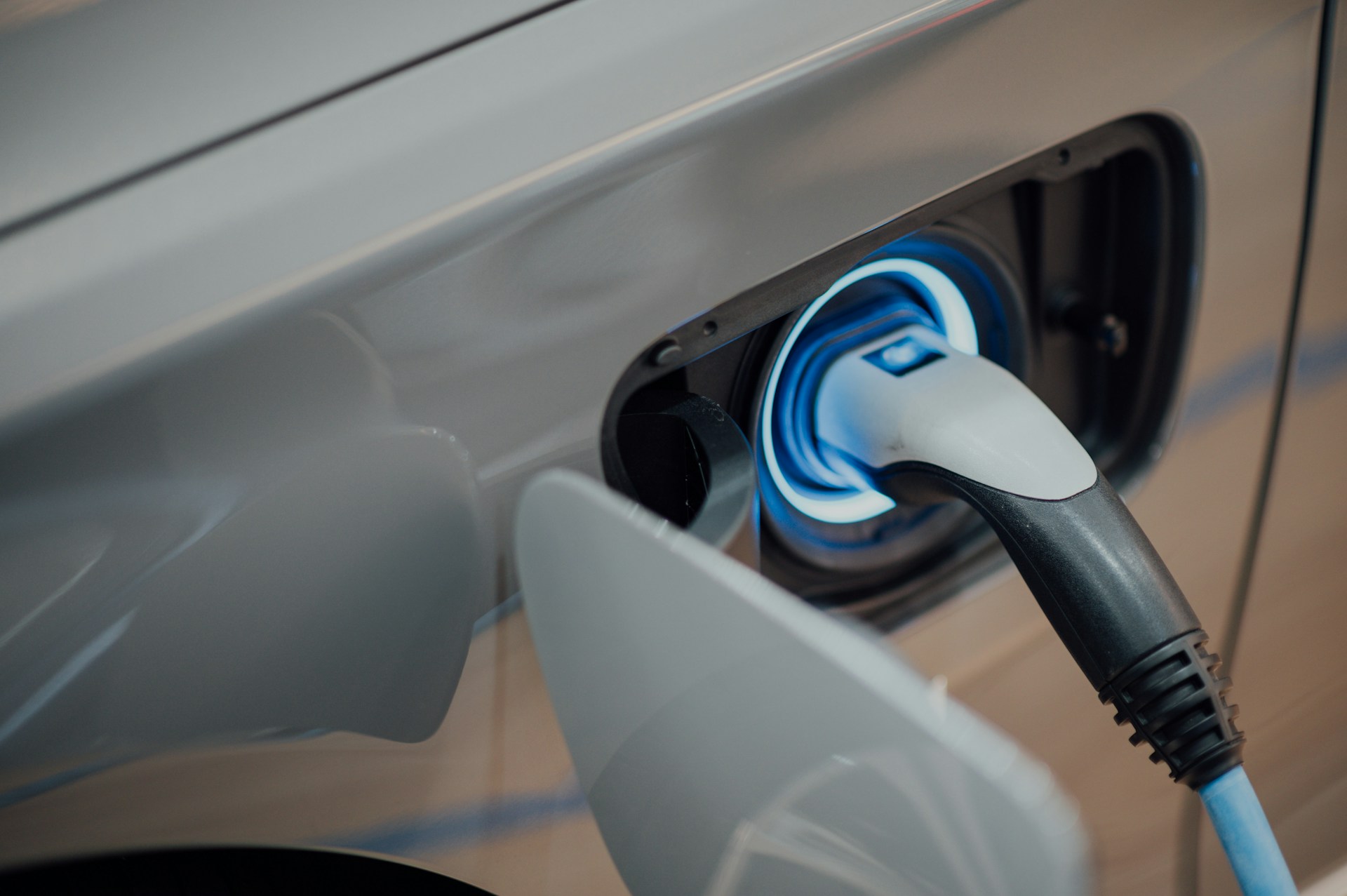
Electric vehicles are starting to show up more around St. John’s, even during the coldest part of the year. Drivers are plugging in at home, offices, and public lots, and that means the demand for smart, winter-ready setups is going up as well. A good EV charger installer knows charging in summer isn’t the same as charging after a snowstorm.
By mid-February, the snow is packed in and everything is frozen solid. This is when the strength of a proper install really shows. Cold, wet air and freezing rain test every part of a charging station, where it’s placed, how it’s wired, and how well it holds up when things are at their worst. We make sure each plan accounts for what winter really looks like here and how people need to use these chargers when conditions aren’t ideal.
Planning the Space for Winter Access
Getting the right location matters a lot more once there’s two feet of snow on the ground. It’s not just about where the charger looks best or what’s easiest during nice weather. We think ahead to how drivers and maintenance crews will move around it once the cold sets in.
• We look for high spots that stay dry when snow melts, avoiding puddles and runoff
• The charger needs to be accessible across the full year, not buried behind ice banks or blocked by snowplows
• We leave enough space around the station to shovel by hand or plow safely, without hitting cables or the housing
A badly placed unit can freeze shut, get damaged by water, or become impossible to reach. Good position and spacing make it much easier for people to use the charger with gloves on, in low light, and without tripping or sliding. Sorting that out from the start helps avoid constant adjustments later.
Choosing the Right Equipment for Cold Climates
We don’t just pick a charger and bolt it into place. When it’s going to sit through Newfoundland’s winter, the gear itself matters. Some setups work fine when it’s mild out but stop working properly when temperature and moisture levels shift.
• We choose chargers rated for sub-zero conditions that are known to stay responsive even in snow or freezing rain
• Internal parts need solid casing that keeps out moisture and avoids hairline cracks during the freeze-thaw cycle
• Enclosures are sealed and fitted tight to protect wiring and the circuit inside from ice buildup and corrosion
Cables and screens feel different when it’s minus fifteen and windy. We pick parts that stay flexible and safe no matter how many cold nights they go through. That way, people can count on them through a full winter season without needing repairs or resets when things freeze. At ShockFree Electrical, we install Level 2 chargers compatible with all EV makes and models, and every installation is handled by licensed, insured electricians for complete peace of mind.
Managing Power Needs When Temperatures Drop
Charging an EV in the cold takes more than just plugging it in. Batteries charge slower and need more energy during winter. That extra pull can stretch an electrical system past what it comfortably handles if it wasn’t set up right.
• We size up the wiring and circuits ahead of time to handle heavier load during winter use
• Every wire and outlet exposed to the air gets weather-sealed to keep moisture and frost from pushing in
• We double-check breaker panels to make sure they can handle back-to-back charging cycles without tripping
Panels don’t like humidity or drafts, especially older ones. We work with what each site has and make the needed changes to bring things up to the right capacity. Many setups get harder to troubleshoot when buried in snow, so we make sure the power side is solid from the ground up. For older homes or garages, we can upgrade panels and grounding before installing a charger, making certain your electrical system is ready for winter charging.
Preventing Ice and Snow Buildup Around the Station
It’s not enough to protect what’s inside the charger. We have to plan for what’s landing on it too. Snow drifts, slush, and freezing drizzle don’t just block access. They can clog up key parts or weigh down equipment if it piles in the wrong spots.
• We place each unit where snow and wind are less likely to build up around the vents and access points
• Any nearby surfaces are angled to send melting snow away from the charger base before it can pool or freeze
• Some setups may benefit from heated mats or fitted covers if ice is a recurring issue in that location
We don’t want drivers sliding around on slick ground or kicking through crusted snow just to get the charger door open. These touches help keep the station usable day after day, even when the snow keeps falling faster than it can be cleared. Some homes or lots see snow piles shift quickly in the wind, so a well-planned site placement can go a long way in keeping the area clear and safe. If the location is exposed to freezing rain, adding insulation or a simple roof above the station can offer extra protection without making things complicated.
Testing and Ongoing Checks During Winter
A cold-weather system doesn’t stop once it’s installed. We keep an eye on how each piece is holding up through the worst weeks. Ice storms and temperature drops can cause parts to loosen, displays to dim, or circuits to misfire if something shifts out of place.
• We advise quick checks after freezing rain or sudden drops to look for damage or ice on cables and plugs
• Remote health checks allow us to see if a station is underperforming without needing someone to be outside in storm conditions
• When needed, we do manual testing, especially if snow drifts or frost have covered access points
Wires can get stiff, ports can lock up, and hinges may freeze. We make room for these checks so users don’t show up to a frozen charger late at night with no way to plug in. Knowing what to monitor helps prevent bigger breakdowns later in the season. Checking connections and the outer casing after the worst storms helps spot early signs of trouble, like build-up or frost within the housing. Addressing small issues early helps avoid a complete charger freeze-up or power problem just when drivers need it most.
Built to Last Through the Storm
February doesn’t mess around in St. John’s. That’s why we don’t treat cold-weather installs like summer setups with a few extras. Everything from the bolts to the wiring has a job to do once the wind kicks up and the roads disappear under snow.
By placing the unit wisely, choosing strong and weather-ready gear, and checking how it’s all running when the weather turns, we keep stations steady no matter how tough things get outside. We don’t just think about the first day it’s plugged in. We plan for the hundred days after that too, when ice and snow challenge every part of the system. That’s how an EV charger installer can make winter charging reliable in places like St. John’s, NL.
Make winter EV charging smooth and reliable at home with expert installation and careful planning. Our team reviews your layout, equipment, and electrical system so you can count on your setup all season long. A licensed EV charger installer from ShockFree Electrical handles every detail, ensuring your system stays strong from the first frost to spring melt. Reach out today to schedule your appointment.