Older homes around St. John’s, NL are full of character, but behind the charm, the electrical systems often tell a different story. Many were wired long before smartphones, tablets, or even microwaves filled our daily lives. Today, most of us expect to charge multiple devices at once, run energy-hungry appliances, and rely on heat sources through the colder months. That’s where electrical outlet installation becomes an issue.
It usually comes up during home updates or when something stops working the way it should. A plug that no longer fits right or an outlet that looks discoloured grabs attention fast. But what starts as a minor concern quickly connects to comfort, reliability, and safety. Especially this time of year, with heaters running and power strips filling every outlet, it doesn’t take much to feel things could be improved.
How Old Electrical Systems Fall Behind
The biggest challenge with older wiring is that it wasn’t built for modern habits. Decades ago, one or two outlets per room was fine. Now, the way we live drains more electricity in more places.
• You may notice flickering lights when you plug in certain items, or circuits that trip when you run too many things at once
• Some rooms might only have one outlet, leaving you leaning on extension cords, which were only meant for short-term fixes
• Two-prong outlets are still common in older homes, but many of today’s electronics need three-pronged, grounded access
• You might feel unsure about plugging in heaters or kitchen gear because things just don’t feel solid or safe
Another issue is building codes. What counted as safe wiring 40 years ago doesn’t hold up to current electrical code. Outlets in bathrooms and kitchens often weren’t grounded properly. Fuel-burning appliances ran without much electric help. And attic or basement outlets may not have even existed, depending on when your home was built.
As lifestyles have changed, older systems struggle to keep up with the sheer number of electrical items found in most homes today. Plugging in wall chargers, kitchen tools, space heaters, and entertainment systems puts strain on outdated outlets and circuits. Even basic things, like plugging in a computer or setting up a modern workspace, can reveal gaps in what your home is ready for. This is why noticing the small ways your system falls short is often the first step to improving it.
When to Add or Replace Electrical Outlets
There’s no rule that says how many outlets a room should have. But you’ll know it’s time to make a few changes when daily life feels awkward, or worse, like a hazard.
• If you regularly use power bars or cords just to charge phones or run the vacuum, that’s usually a clue the setup isn’t keeping up
• Outlets that feel hot to the touch, spark, or have burn marks should be replaced quickly
• Loose sockets where plugs fall out or wiggle are another red flag we see often
• Spaces that weren’t used before, like a basement office or guestroom, now need better setups for heat, charging, and lighting
New gear adds demand too. That includes things like portable heaters, upgraded espresso makers, air fryers, or gaming setups. The wiring might be fine, but if you need four outlets and have one, you’re likely overloading without meaning to.
You might also find that rooms converted to new purposes, like an old storage room now used as a bedroom or workspace, don’t have enough accessible outlets. Homes that haven’t kept pace with changing needs may force you to rely on risky extension cords or daisy-chained power bars. These makeshift setups not only clutter up your space but also increase the chance of tripped breakers, electrical shorts, or even fire risk over time.
What to Expect From a Professional Installation
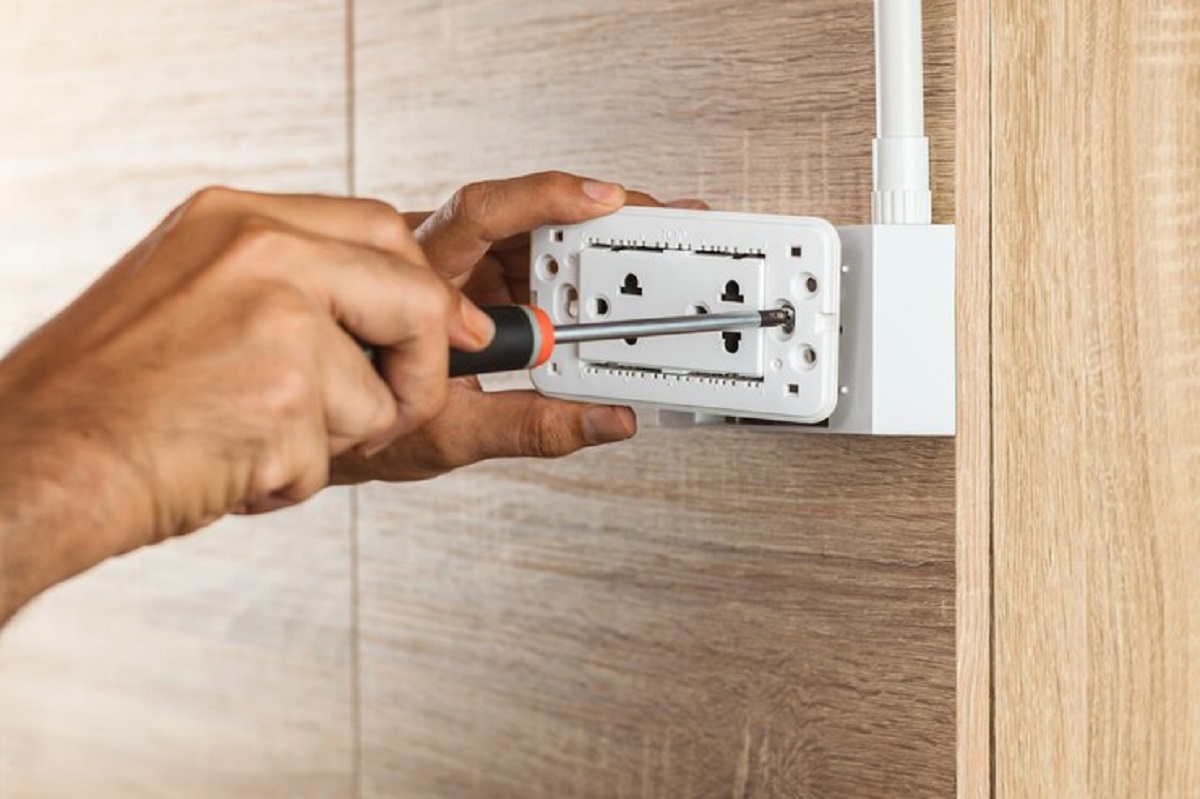
Adding or replacing outlets in an older home takes more than just cutting a hole in the wall. We start by checking the wiring that runs behind the scenes. Some homes have mixed wiring types from past repairs, or no ground wiring at all. That can change where or how new outlets are added.
What we usually do includes:
• Mapping out current wiring routes so we can install new outlets safely and consistently
• Upgrading old outlets to three-prong, grounded versions that match current code
• Adding AFCI (Arc Fault Circuit Interrupter) or GFCI (Ground Fault Circuit Interrupter) protection where needed, especially in spots like kitchens, bathrooms, or damp areas
• Making sure breaker loads are enough to support any changes before plugging things in
As a local company, we ensure every installation meets the latest Canadian Electrical Code standards and use only quality tamper-resistant outlets for safety. In older buildings, some finishes or walls, a mix of plaster, wood lath, or paneling, can make things tricky. That’s why careful planning comes first. We avoid damaging old walls when possible while still leaving space to update the wiring underneath. In the end, the goal is reliability you don’t have to think about.
When an electrician comes in, you can expect them to check the whole path electricity takes to your old outlets. They’ll look at how different rooms are wired together and if any previous repairs were done using the wrong materials. Safety always comes first, and every new outlet gets tested so you’re not left worrying about whether it’s wired right. By working carefully, they avoid damaging trim and older finishes while leaving space for updates.
These upgrades aren’t just about plugging things in. A professional install often includes discussing plug placement for your lifestyle, adjusting for new furniture arrangements, or even adding outlets with USB or smart features if needed. With a professional’s experience, you get an installation that’s both safe and practical long term.
Common Trouble Areas in St. John’s Homes
We’ve worked in a lot of older homes here around St. John’s, and some trouble spots come up again and again. A big one is the basement. Often unfinished or used for storage, basements rarely have enough, if any, grounded outlets. New uses like home gyms, laundry rooms, or hobby spaces need more flexible setups.
Other trouble areas include:
• Attics that were converted into bedrooms but still rely on older, outdated outlets
• Garages where using more than one tool at once causes flickering lights or tripped breakers
• Kitchens that were designed long before people owned microwaves, toaster ovens, or even large fridges
• Bathrooms with outlets too close to water sources and no extra protection built in
Even something as simple as plugging in a heated blanket or humidifier can cause problems in these rooms if no upgrades have been done. The difference with modern installations is not just about convenience, it’s about making sure each part of the home carries its load comfortably.
Older homes often show clear patterns in where upgrades make the biggest difference. In the basement, simple tasks like running a dehumidifier, space heater, or treadmill can trip breakers if the circuits haven’t been updated. In kitchens, not enough power means you’ll be moving plugs or have to unplug one appliance before using another. That constant swapping prevents you from using your home the way you want to. Updating outlets in the bathroom keeps hair dryers and curling irons safe, especially when water is nearby.
When these areas get the attention they need, the whole flow of daily routines improves. Reliable, modern outlets let you rethink how you use your space each season, making it easier to adapt spaces for relaxing, working, or entertaining.
Upgrades That Make a Difference
Small electrical updates go a long way in older houses. When you’re not running extension cords across rooms or limiting where you place your furniture, the whole space just feels easier to use. You don’t have to think twice about whether plugging something in will trip a breaker.
We’ve seen how replacing one or two problem outlets gives families in older homes a lot more confidence. Even better, updating an entire room’s setup means you’re not patching issues one at a time. We also offer upgrades for lighting, surge protection, and smoke detector wiring, so your electrical system matches today’s safety expectations. You get peace of mind that whatever you plug in, whenever you need it, things will just work.
An outlet upgrade may seem small, but it often makes a big difference in how connected and comfortable your home feels, especially during these last weeks of winter when everyone’s still inside and using a lot more power than usual. We help make sure your home is ready for all of that and whatever spring brings next.
Outdated or limited outlets in your St. John’s, NL home can make everyday life more complicated, especially during the winter months when energy needs increase. With a few thoughtful upgrades, every room in your house can become more functional and safe. At ShockFree Electrical, we handle everything from checking existing wiring to expertly installing new lines, putting your comfort and peace of mind first. Let us know when you’re ready for your next electrical outlet installation, and we’ll help you get started.