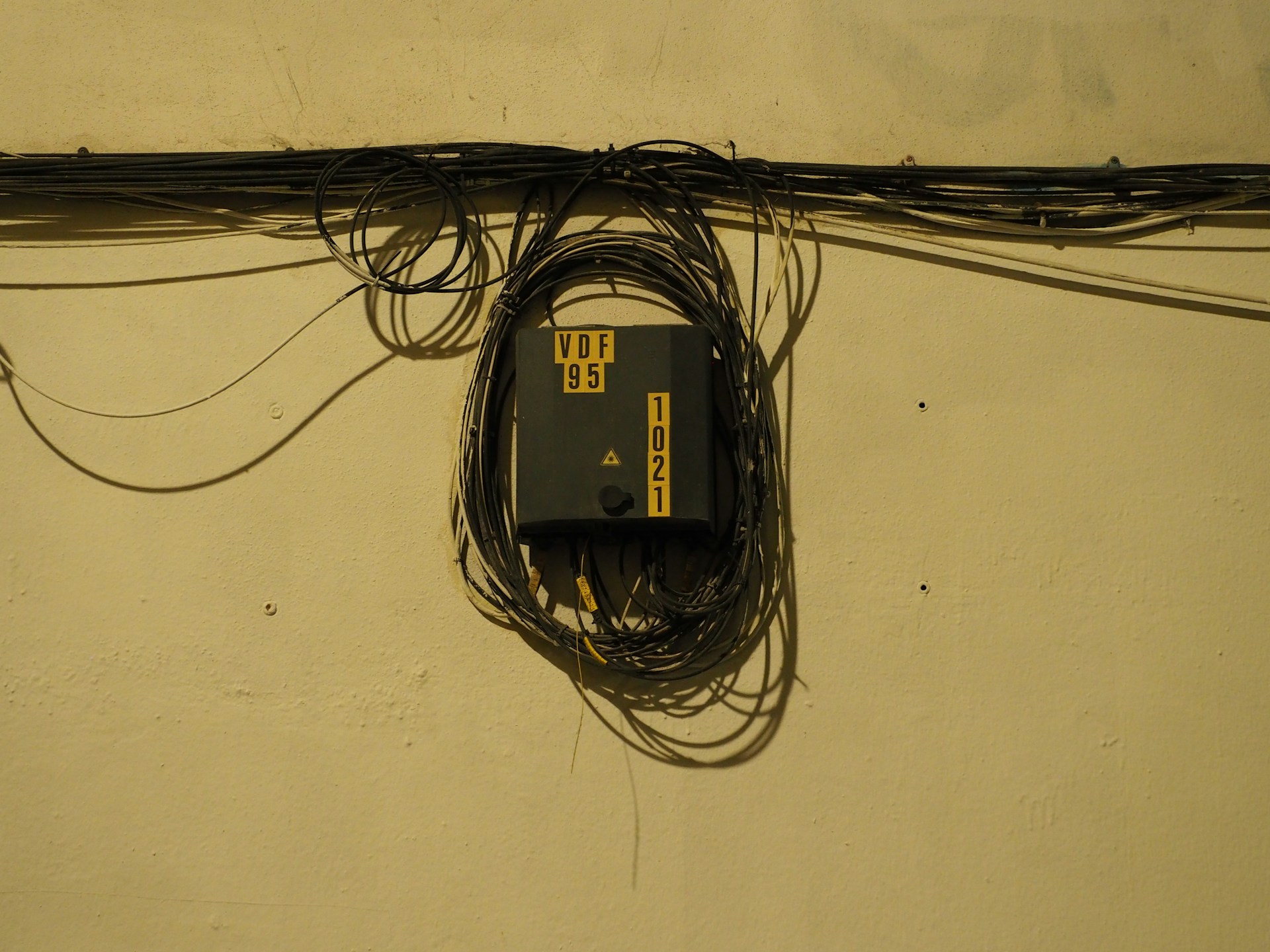
Older homes can have character, charm, and craftsmanship you just don’t find in newer builds. But sometimes, what’s behind the walls tells a different story. If your home in St. John’s was built several decades ago, there’s a strong chance the electrical wiring may be outdated. Worn or old wiring can stay out of sight while creating serious risks. Spotting the signs early can keep your home safe and avoid bigger issues.
Winter in St. John’s is no joke. With colder temperatures comes increased electricity use, from heaters and space heaters to appliances working overtime. A safe and stable electrical system is key. If your home’s wiring can’t keep up, that strain could be dangerous. Paying attention to small red flags now helps you stay ahead of major problems down the road.
Signs Of Old Wiring
Not every flicker or weird hum means something dangerous, but knowing what to watch for helps you catch issues early. These signs are often brushed off because things still seem to work. But small symptoms can grow into bigger risks.
If your home shows any of these signs, it may be time to call in a professional:
1. Breaker trips often
If your breaker trips when you use a space heater or microwave, it could be an early warning. This might suggest your wiring is overloaded or not built for modern power demands.
2. Lights dim or flicker
Lights should stay steady. If they flicker when major appliances turn on or dim randomly, that may point to loose connections or wires struggling to carry current.
3. Warm or discoloured outlets
Light switches and outlets shouldn’t feel warm or show black marks. Discolouration, unusual smells, or heat could be signs of sparking or overheating inside the wall.
4. Crackling or buzzing sounds
Electricity should be silent. If you hear buzzing or crackling near outlets or behind the wall, that noise may signal loose wires or poor insulation.
5. Two-prong outlets
Homes with mostly two-prong outlets probably have not had a recent wiring update. Modern three-prong outlets include a ground wire, which makes them safer.
We remember one home in St. John’s where the lights flickered for months before the homeowners took action. Their wiring was brittle and falling apart in several areas. The fix was manageable, but had they waited much longer, the damage could’ve been serious. Early action helps save money, time, and peace of mind.
Common Hazards Of Old Wiring
Worn wiring doesn’t need to stop working to become dangerous. When these systems fail slowly behind walls, they often show no visible sign until it’s too late.
Here are some risks that can come from aging electrical systems:
– Fire risk
Old wires may have cracked insulation or be exposed in parts. One spark in the wrong spot can start a fire, especially where nobody can see it.
– Electric shock
A jolt when plugging something in isn’t just annoying. It’s a warning that your outlet wiring could be damaged, leaving you at risk each time you use it.
– Higher energy bills
Outdated wiring often leads to power loss and inefficient flow. Even if devices seem to work fine, they could be drawing more energy than needed, hiking up your monthly bills.
– Tripped circuits and appliance damage
Newer appliances draw more power than old systems are meant to supply. This mismatch can lead to tripped breakers, power surges, or damage to the appliances themselves.
Putting off electrical issues increases the chance something will go wrong. Even when things seem fine, these hidden problems could be putting your home and safety at risk.
Safety Measures And Upgrades
Trying to patch up faulty wiring might work temporarily, but it isn’t a long-term fix. Replacing problem areas with newer materials and tech is the safest choice. If you have an older home in St. John’s, especially in neighbourhoods built decades ago, a custom upgrade plan makes all the difference.
Here are safe updates worth thinking about:
– Replace worn wiring
Homes with knob-and-tube or even aluminum wiring are ready for an upgrade. These systems fall short of today’s standards and often struggle to support modern appliances. A professional can remove the outdated wire and replace it with newer, safer options that work efficiently.
– Modernize your breaker panel
An older or small breaker panel might not handle your power needs. New panels offer extra space for circuits and include extra protection features to stop dangerous faults before they do damage.
– Install GFCI outlets
GFCI outlets work by shutting off power if they sense a current imbalance, preventing shocks in places like kitchens, bathrooms, and basements. These are usually found in new builds but can and should be added to older homes too.
– Bring the system up to code
Local rules change over time. An inspection by a licensed electrician helps identify areas that are no longer up to code. Fixing those issues makes your home safer and helps you stay ahead of problems you might face when selling or renovating.
Some homes might only need minor upgrades, while others could benefit from a full system refresh. Getting an idea of your wiring’s condition helps you plan smarter and avoid running into surprise emergencies.
How A Residential Electrician In St. John’s Can Help
When dealing with wiring, guessing doesn’t work. You might not even see a problem until there’s real damage. That’s why experienced electricians are key — they know what signs to look for and how to fix the risks you can’t see.
Here’s how a licensed residential electrician in St. John’s can support you:
– Careful inspection
An expert can examine wiring, outlets, breaker panels, and more. Based on the age and condition of your house, they’ll tell you which issues matter most and where to start.
– Safe and code-compliant work
Qualified professionals follow safety codes local to Newfoundland and Labrador. That means fewer risks and no worry about improper installations or missed steps.
– Custom solutions
Older homes each have their own quirks. The best electricians offer clear plans with solutions that work with your home’s layout and your timeline.
– Long-term safety and comfort
Modern wiring helps more than just safety. Upgrades provide dependable power for newer tech and daily routines. Whether it’s charging devices, running appliances, or heating your place during freezing winters, you won’t have to think twice.
We’ve worked on homes in St. John’s where outdated panels and wire damage created serious risks. Once repaired and brought up to code, those spaces felt more secure, safe, and ready for anything.
Making Sure Your Home Is Ready for the Long Haul
It doesn’t always take a big blowout for wiring to be a concern. Sometimes, it starts with a flickering light or a slightly warm outlet — things that are easy to overlook. But those little signs might be hints that something bigger is happening behind the walls.
Homes in St. John’s face real power demands during the winter, with heaters, dryers, and other systems working hard to keep you warm. You want to know your home isn’t just getting by but is built to handle everything the season throws at it.
Electrical upgrades aren’t just for safety. They also add comfort, peace of mind, and reliability when you need it most. When your wiring meets today’s standards, everything works better — from your lights and appliances to your heating setup. Whether you’ve just moved in or have lived there for years, checking your wiring is a smart move that pays off in peace, comfort, and protection.
Keep your home safe and running smoothly by addressing old wiring hazards before they escalate. With the help of a residential electrician in St. Johns, you can make sure your electrical system is up to code and ready for anything the seasons throw your way. Trust ShockFree Electrical to get the job done right, so you can enjoy peace of mind knowing your home is powered safely and reliably.